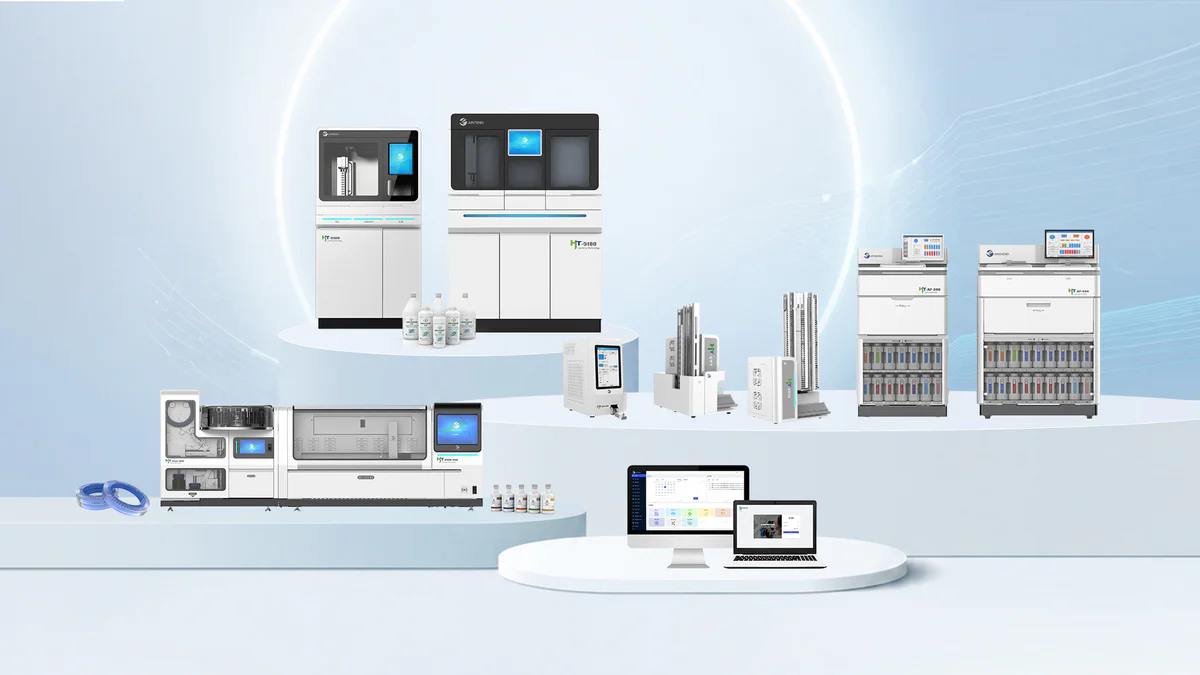
China Automated Tissue Processor Factory
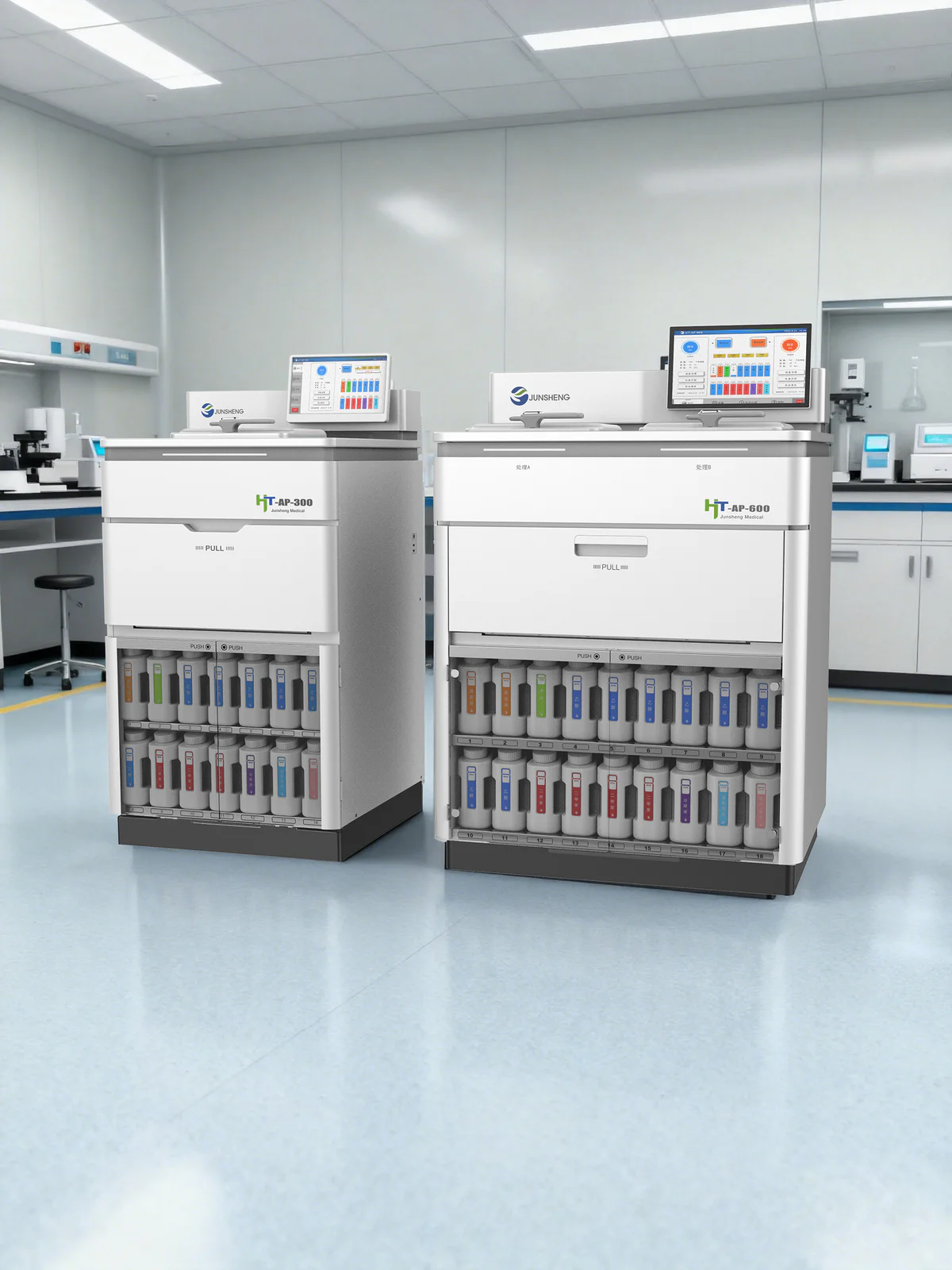
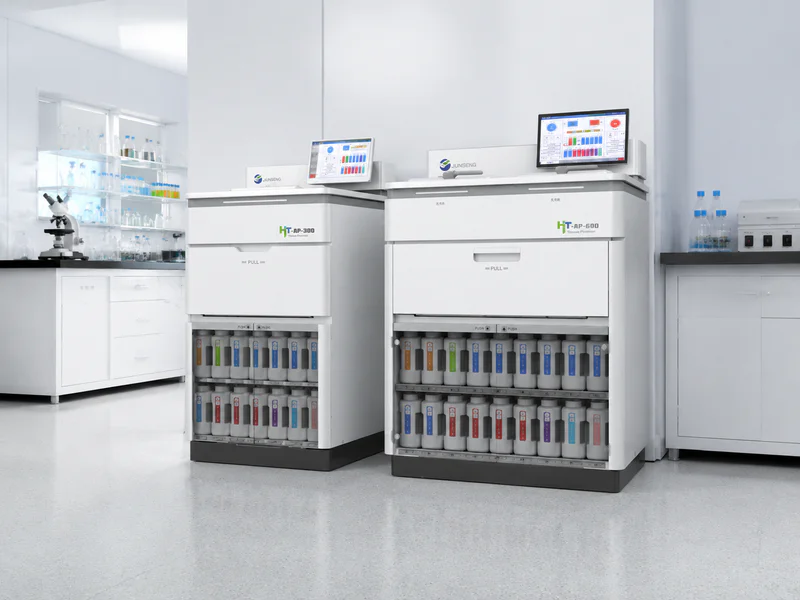
Enclosed tissue processors in 300- and 600-cassette configurations, built for controlled dehydration, clearing and paraffin infiltration in routine histopathology.
Tell us your daily sample volume and the market you sell into. You get the right model, full specifications, the documents your tender asks for, and distributor terms for your territory.
300 / 600 Cassette Options
Sized to your lab's real daily load
Single & Dual Retort Models
Reliable unattended overnight runs
Tender Document Support
Datasheets, certificates, deviation tables
Distributor Cooperation
Clear pricing and territory protection
Quote, specifications and documents back within 24 hours. No obligation.
600 cassettes
Max Batch Capacity
15+ years
Manufacturing Since 2010
60+ markets
Distributors Supplied
24h
Quote & Document Reply
Tissue Processing Evidence You Can Review
A specification sheet is not enough to put a machine in front of a hospital. Here is what has actually been run and recorded.
≈60,000
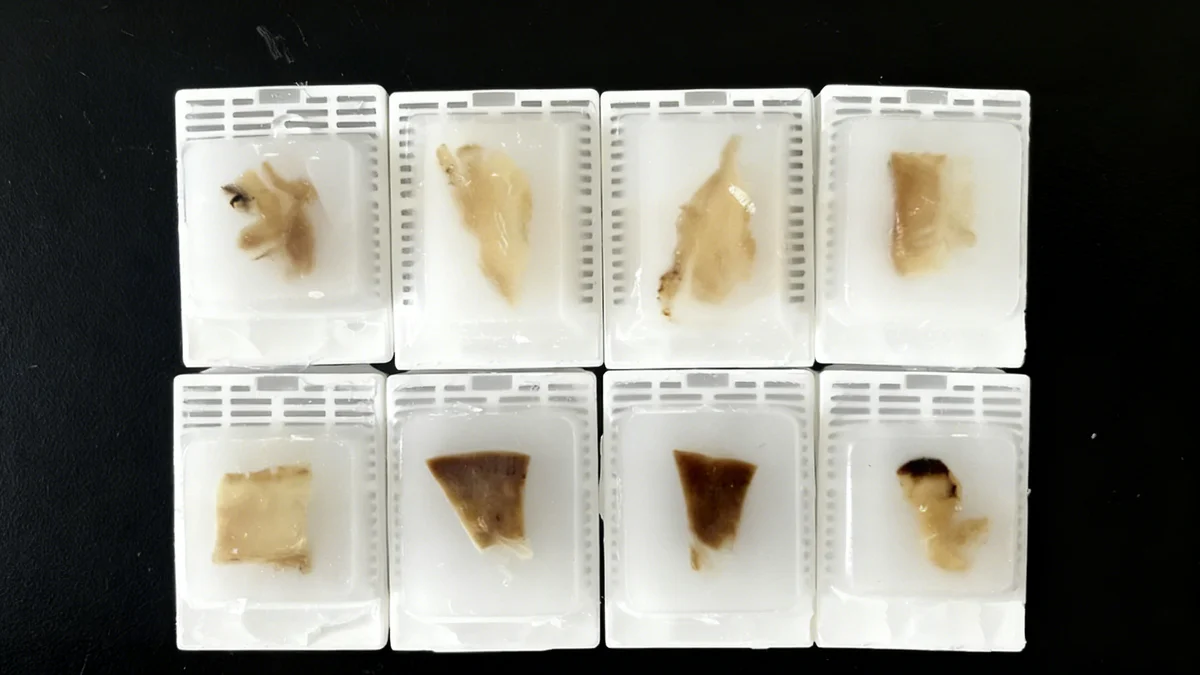
Pathology blocks processed during testing and application evaluation
Extended Full-Load Testing
Long-duration full-load runs check processing stability, program execution and reagent circulation under demanding batch conditions.
Hospital-Site Evaluation
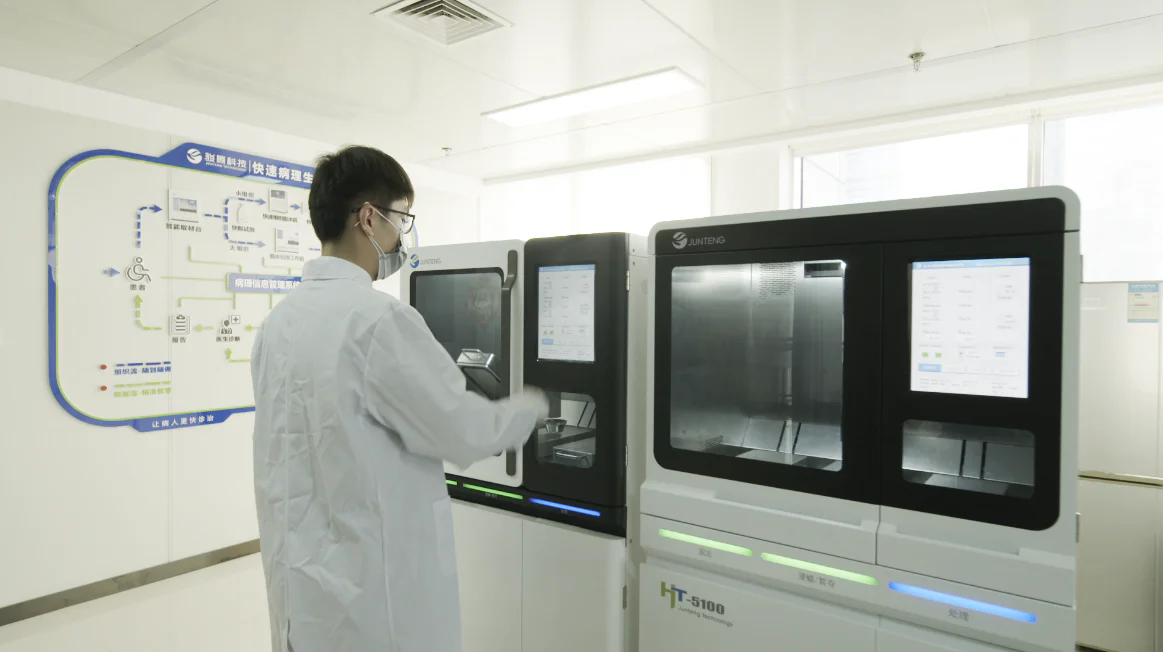
Evaluated in working pathology labs, covering daily operation, processing programs and reagent handling in real routine.
High-Intensity Reliability Testing
Key systems and mechanical parts go through repeated operation and fatigue testing, so problems surface here, not at your customer's site.
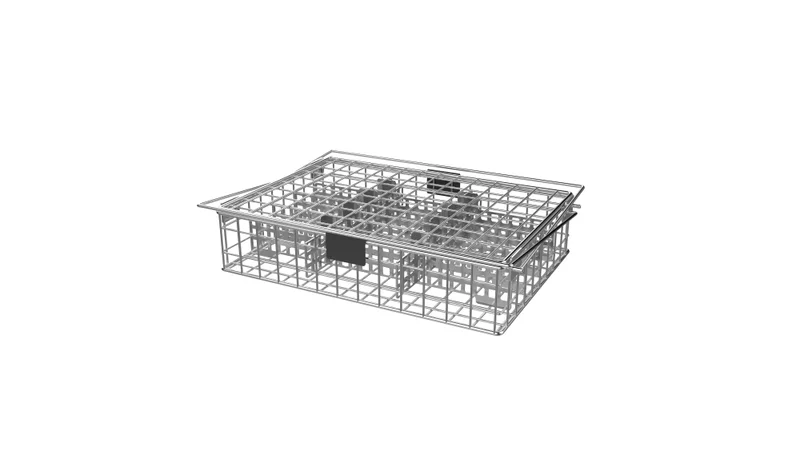
Full Cassette Baskets
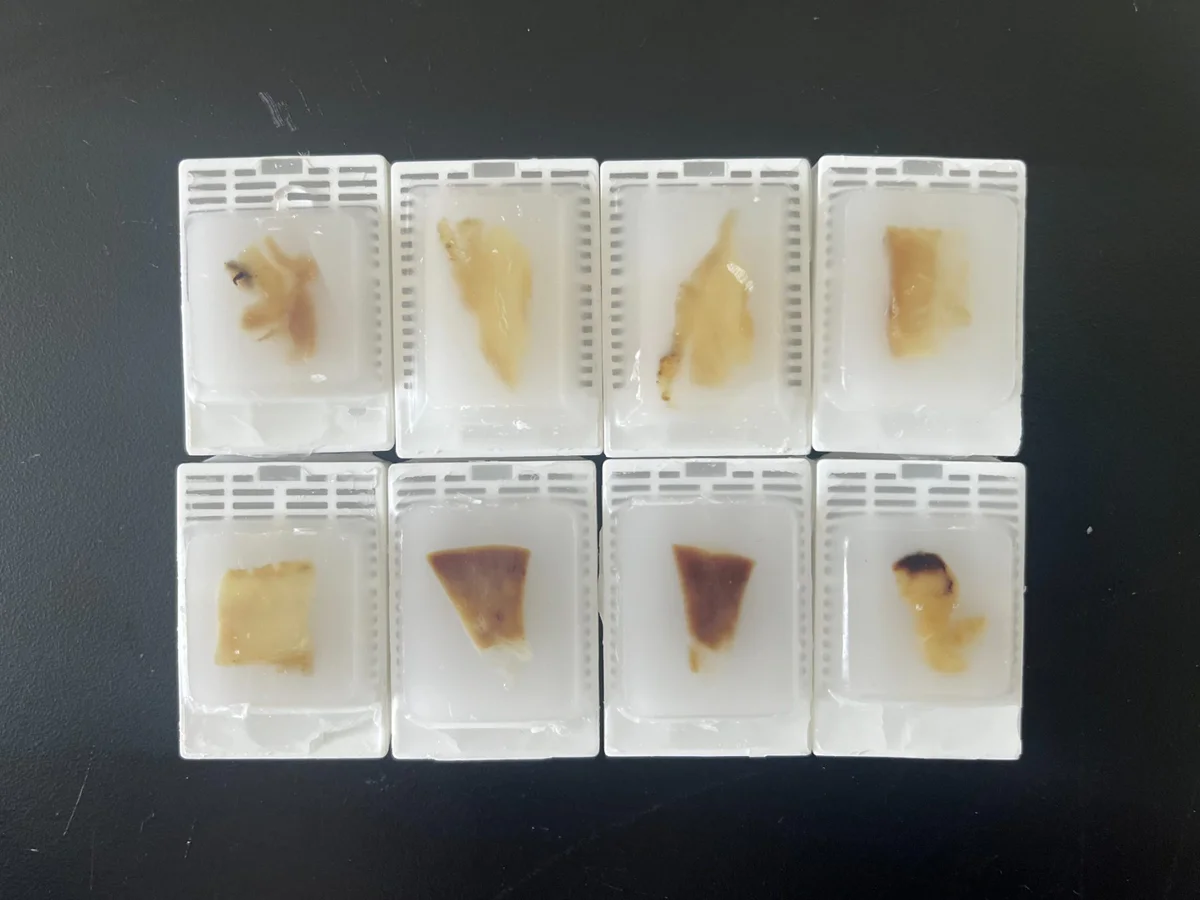
Processed Paraffin Blocks
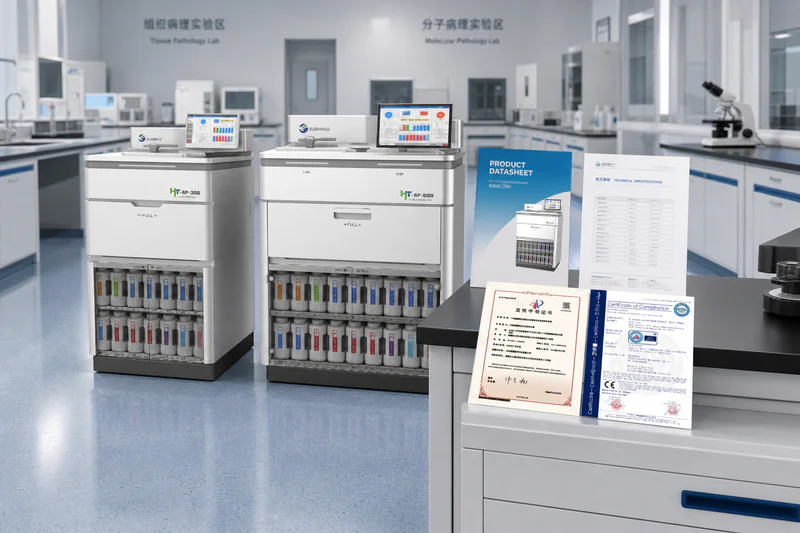
Operation and Test Records
Choose The Right Automated Tissue Processor
Pick by expected cassette volume, processing schedule and what the tender asks for. Compare the two configurations below.
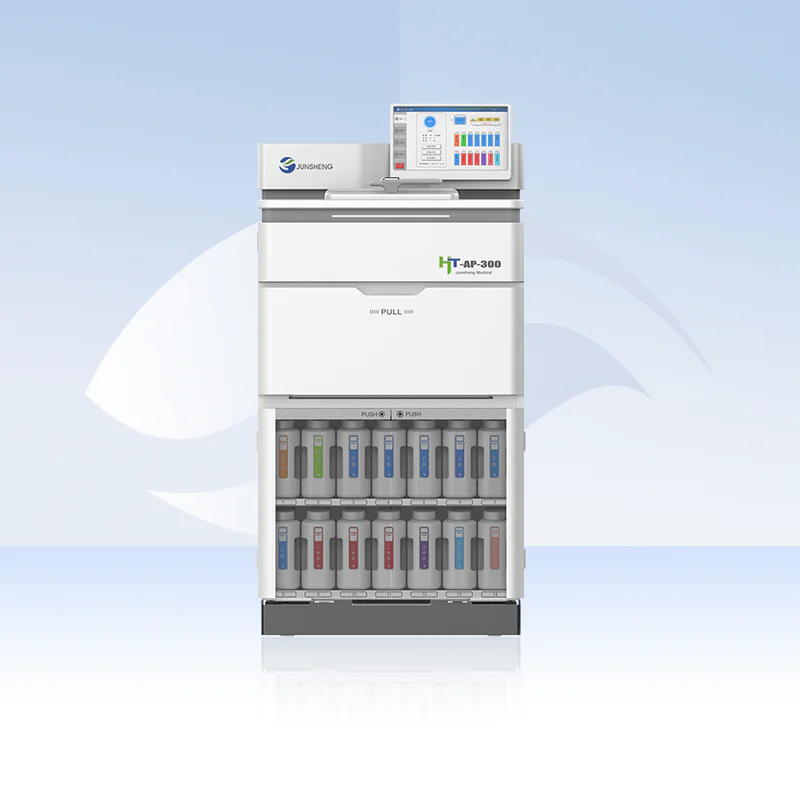 Single retort
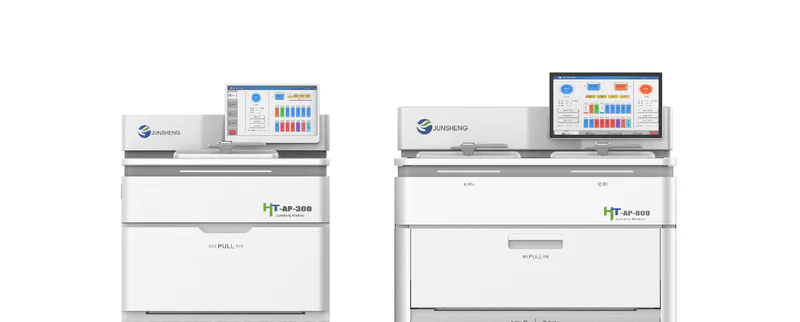
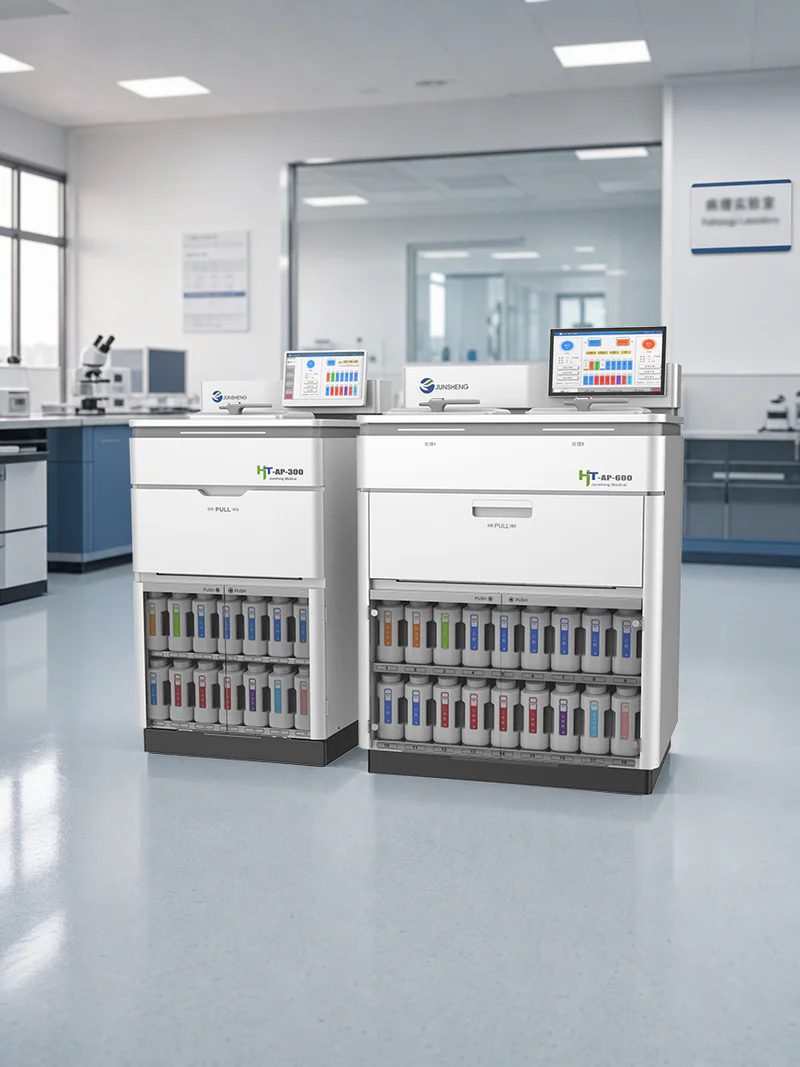
HT-AP-300
Up to 300 cassettes per batch
Enclosed single-retort processing for routine histopathology: controlled dehydration, clearing and paraffin infiltration in one system. Fits the daily workload of a standard pathology lab.
- Single-retort system
- 300 cassettes / batch
- Enclosed processing
- Program management
- Reagent management
- Agitation and mixing
- Power interruption protection
Fits: routine pathology labs, replacement projects, single-retort distribution programs
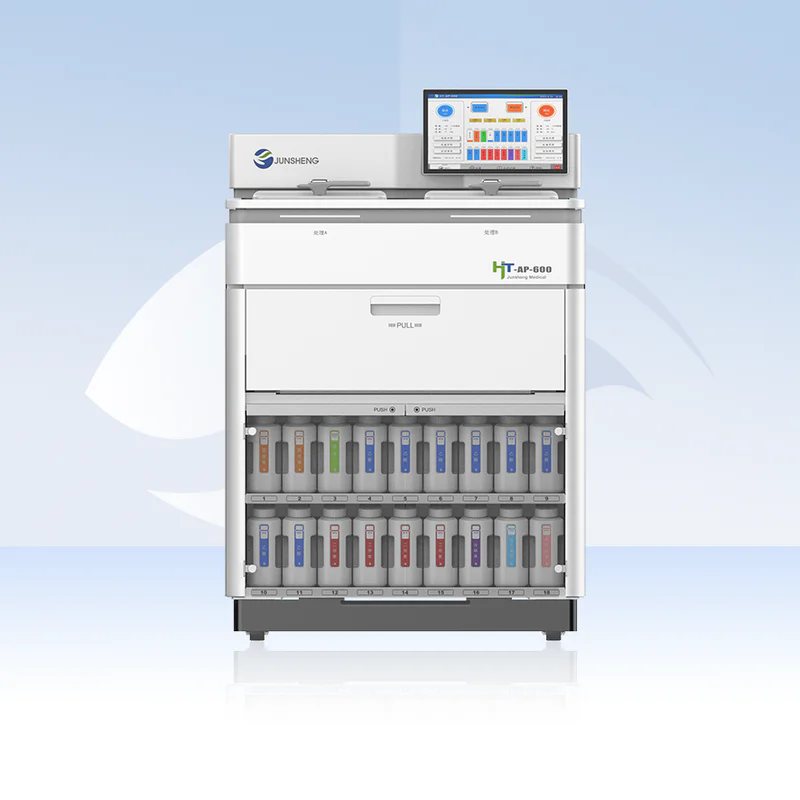 Dual retort
HT-AP-600
Up to 600 cassettes per batch
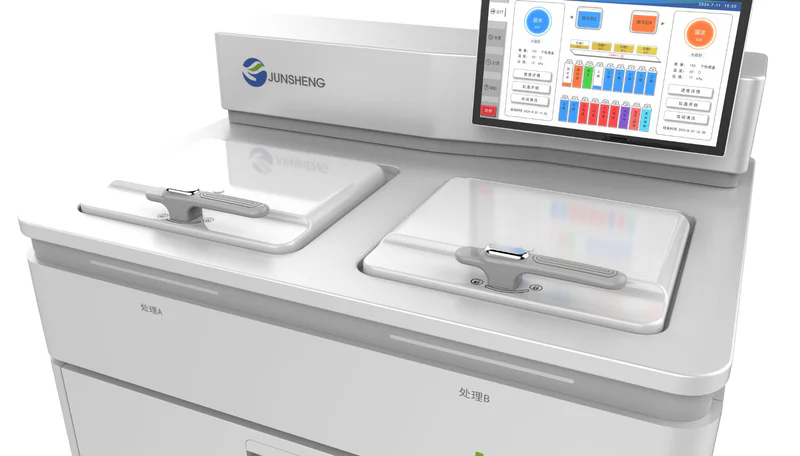
Dual-retort configuration for higher capacity. Gives you a second option when preparing proposals for high-volume departments, larger hospitals and centralized laboratory projects.
- Dual-retort system
- 600 cassettes / batch
- Enclosed processing
- Program management
- Reagent management
- Agitation and mixing
- Power interruption protection
Fits: high-volume pathology, larger hospital departments, centralized lab projects
What Local Labs Expect From A Processor
Cassette capacity is the first question a lab asks, never the last. These are the six points that decide whether your proposal survives the technical review.
01
Stable Results
Uneven dehydration or infiltration does not show up in the processor. It shows up at embedding, sectioning and staining. Controlled programs, agitation and process monitoring keep routine work repeatable.
02
Right Capacity
Undersized creates a backlog by week two. Oversized wastes their budget and yours. Ask for daily cassette volume and batch frequency, then quote 300 or 600 with room for growth.
03
Overnight Runs
Most labs process overnight. One power cut can cost the whole next morning of embedding and sectioning. Power interruption protection, visible status and program records take that risk off the table.
04
Reagent Control
When nobody is sure how used a reagent is, it gets changed too early or too late. Structured reagent management shows current status and replacement schedule, so consumption stays predictable.
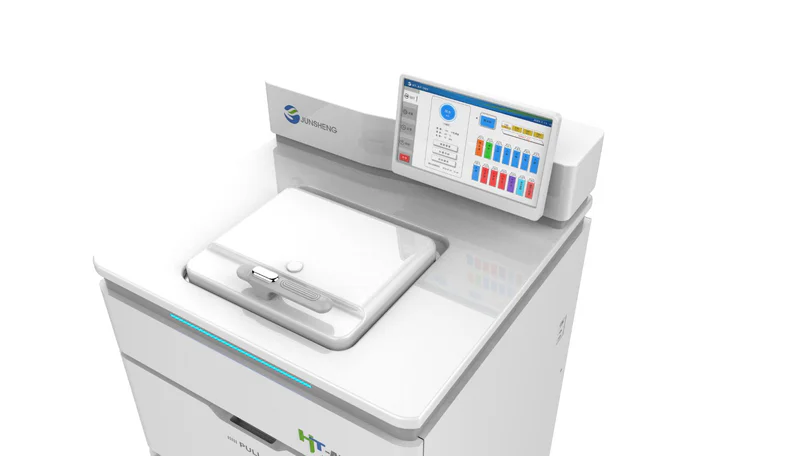
05
Less Manual Work
Pathology teams are already short-staffed. An enclosed automated workflow cuts the repeated checks and reagent handling, and keeps programs, stages and status on one interface.

06
Service Support
The machine has to stay workable after installation. Accessible service points, maintenance guidance, a spare parts list and training material prepared before shipment, so your engineer is not guessing.
01
Stable Results
Uneven dehydration shows up at sectioning, not in the processor. Controlled programs and process monitoring keep routine work repeatable.
02
Right Capacity
Undersized creates backlogs, oversized wastes budget. Match daily cassette volume and batch frequency to 300 or 600.
03
Overnight Runs
One power cut can cost a full morning of embedding. Power interruption protection, visible status and program records remove that risk.
04
Reagent Control
Structured reagent management shows current status and replacement schedule, so consumption stays predictable.
05
Less Manual Work
An enclosed automated workflow cuts repeated checks and reagent handling, with programs and status on one interface.
06
Service Support
Maintenance guidance, spare parts list and training material prepared before shipment, so your engineer is not guessing.
Tell us what your lab asked about and we prepare the technical answers, documents and model recommendation you need for the review.
What Each Processing Function Does
A processor should do more than push samples through a preset cycle. Each of these six answers a specific question your lab customer will ask.
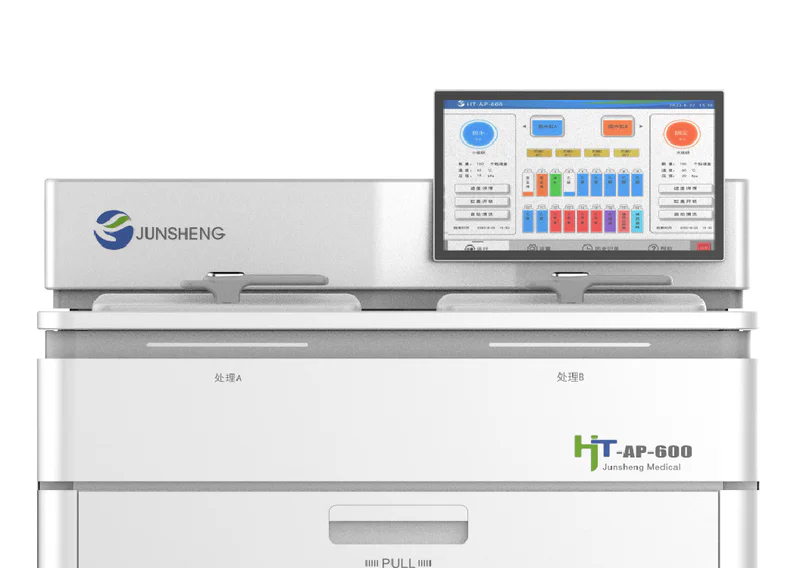 01
01
Program Control
Controlled Programs
Tissue type, specimen size and shift schedule all change what a program needs to be. Controlled programs let the lab set dehydration, clearing and infiltration to their own routine instead of timing steps by hand.
- Program setup
- Step sequence
- Tender spec match
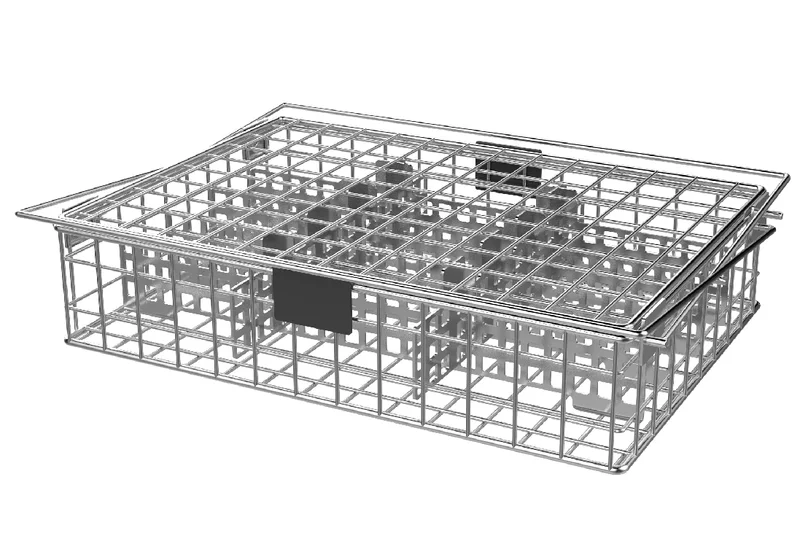 02
02
Reagent Contact
Agitation & Mixing
Processing only works if reagent actually reaches the tissue, in every basket. Multiple agitation and mixing methods keep reagent moving so contact stays even across a full load.
- Agitation methods
- Full-load contact
- Stage behaviour
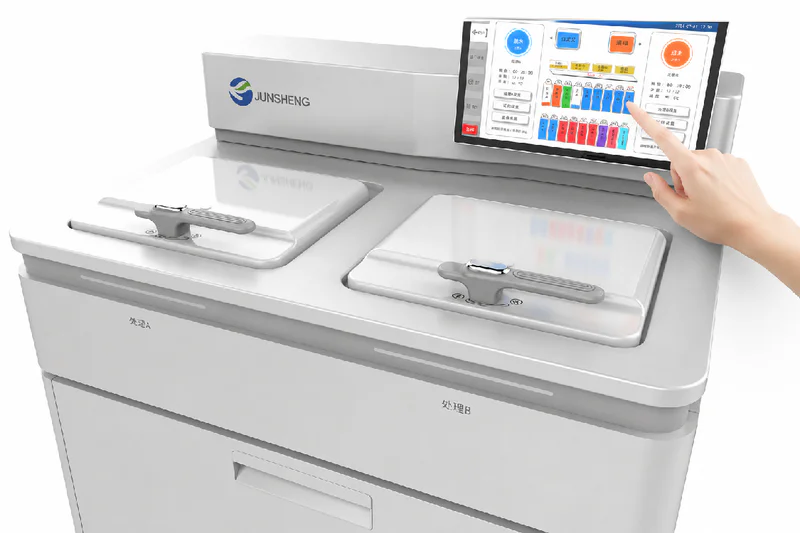 03
03
Workflow
Enclosed Processing
Opening the machine and moving samples by hand is where routine goes wrong. An enclosed system keeps dehydration, clearing and infiltration inside one controlled workflow, with less handling between steps.
- Fewer manual transfers
- Controlled workflow
- Cleaner bench
 04
04
Consumables
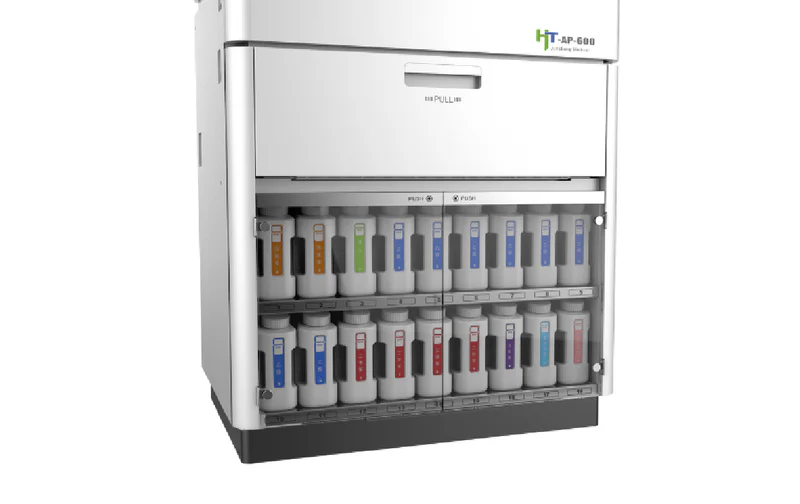
Reagent Management
Counting bottles tells the lab nothing about when to change them. Reagent management shows current status and replacement planning, so the team stops guessing and consumption becomes predictable.
- Reagent status
- Replacement planning
- Usage records
 05
05
Overnight Safety
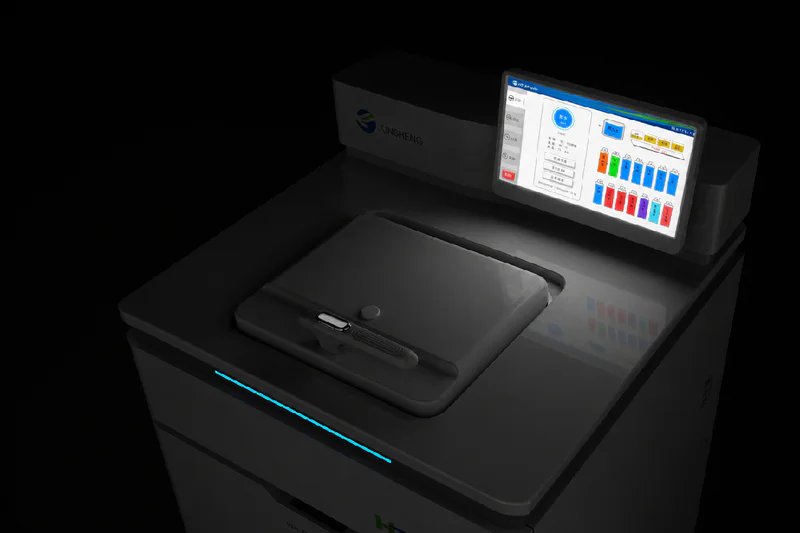
Power Protection
Overnight is when a power cut costs the most, one unfinished batch delays the whole next morning. Power interruption protection covers the cycle in progress. Ask us for the protection logic and response procedure.
- Protection logic
- Operating instructions
- Response procedure
 06
06
Configuration
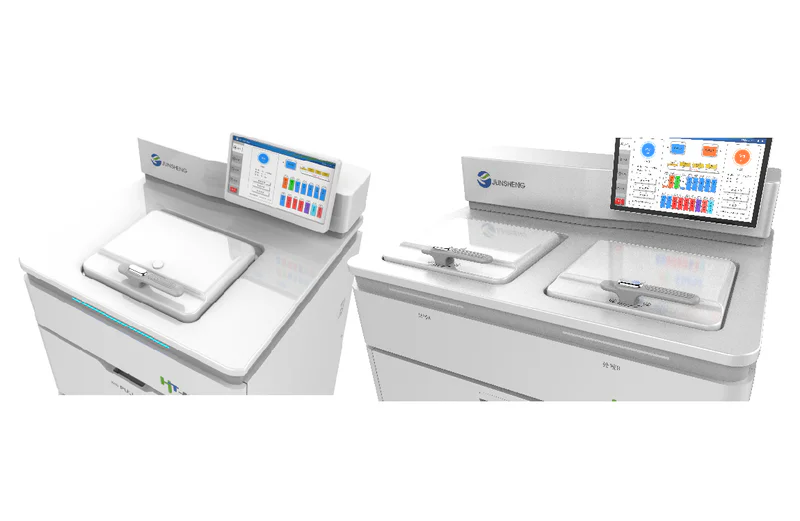
Capacity & Retorts
The bigger number is not automatically the right number. HT-AP-300 is single retort up to 300 cassettes, HT-AP-600 is dual retort up to 600. Compare daily volume, batch frequency and expected growth first.
- 300 single retort
- 600 dual retort
- Workload match
Send the functions your tender lists and we confirm what the HT-AP-300 and HT-AP-600 actually provide, in writing.
Compare The Two Models At A Glance
The difference comes down to retort configuration and batch capacity. Everything else is shared, so pick on volume and schedule, not feature count.
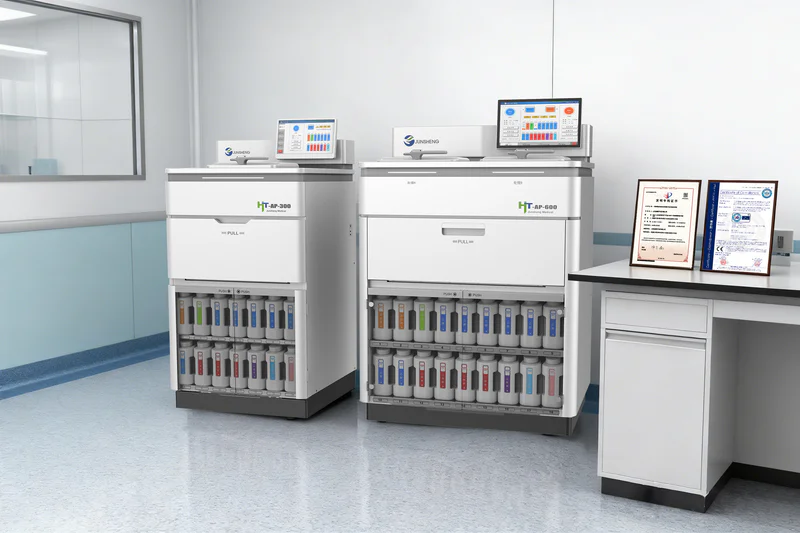 HT-AP-300 / HT-AP-600
Shared across both
ISO 13485 & CE, enclosed processing, tender documentation on request
| Key Specification | HT-AP-300 | HT-AP-600 |
|---|---|---|
| Retort configuration | Single retort | Dual retort |
| Maximum batch capacity | Up to 300 cassettes | Up to 600 cassettes |
| Suitable project direction | Routine and medium-volume processing | Higher-volume and demanding schedules |
| Product type | Automated tissue processor | Automated tissue processor |
| Processing system | Enclosed tissue processing | Enclosed tissue processing |
| Main processing stages | Dehydration, clearing, paraffin infiltration | Dehydration, clearing, paraffin infiltration |
| Agitation and mixing | Supported | Supported |
| Reagent management | Supported | Supported |
| Power interruption protection | Supported | Supported |
Send your daily cassette volume and batch schedule and we tell you which of the two fits, with the full specification sheet attached.
Factory Testing Before Your Unit Ships
Every processor is assembled, run and checked against your order before it is packed. Ask for the photos and video from your own machine, not a generic set.
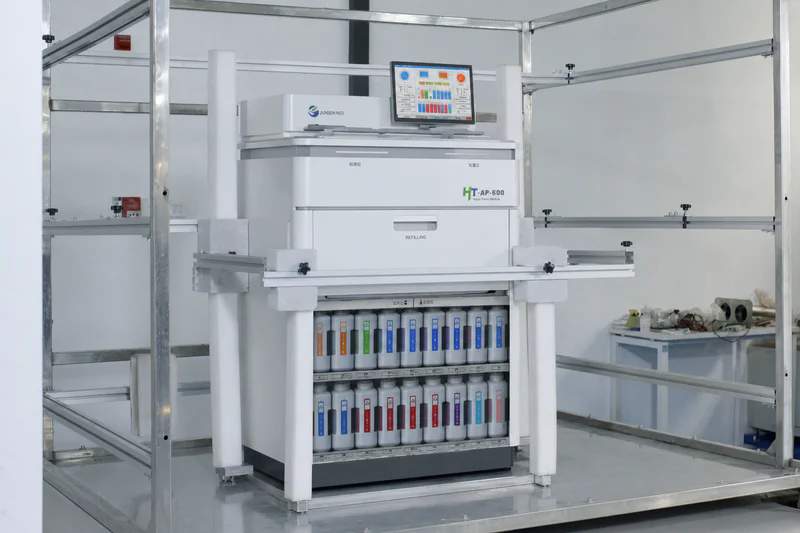 Step 01
Assembly Inspection
Components, connections and structure are checked during assembly, before the machine is allowed into operation testing.
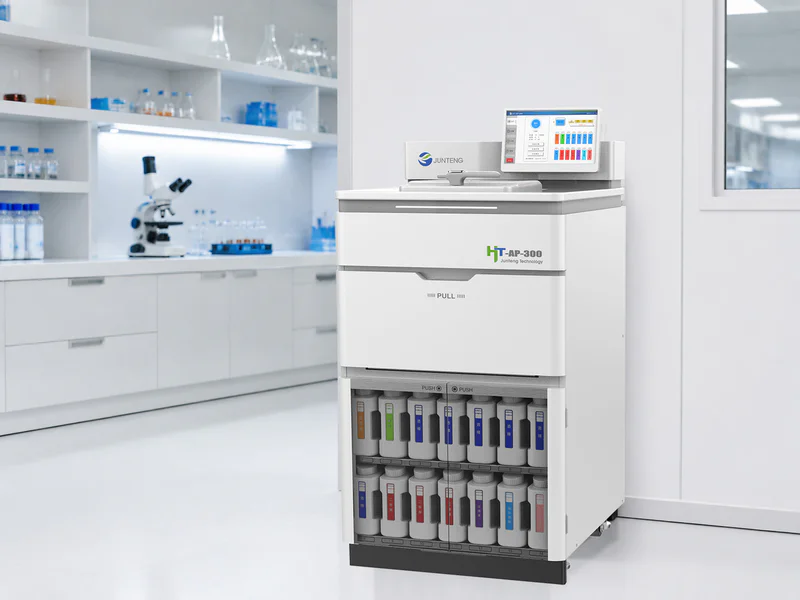 Step 02
Operation Testing
The unit is run under test conditions so program execution, movement, alarms and status are confirmed here, not at your customer's site.
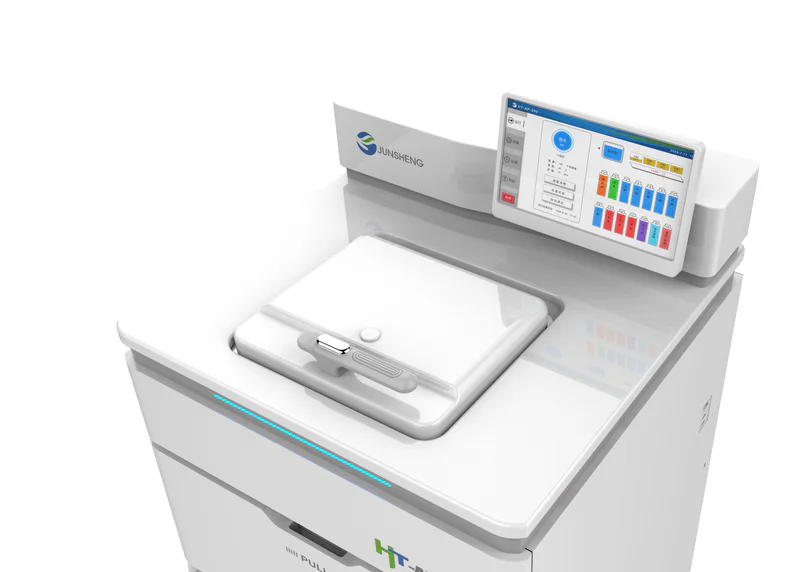 Step 03
Function Checks
Processing functions, reagent controls, power interruption protection and the operating interface are checked against the configuration you confirmed.
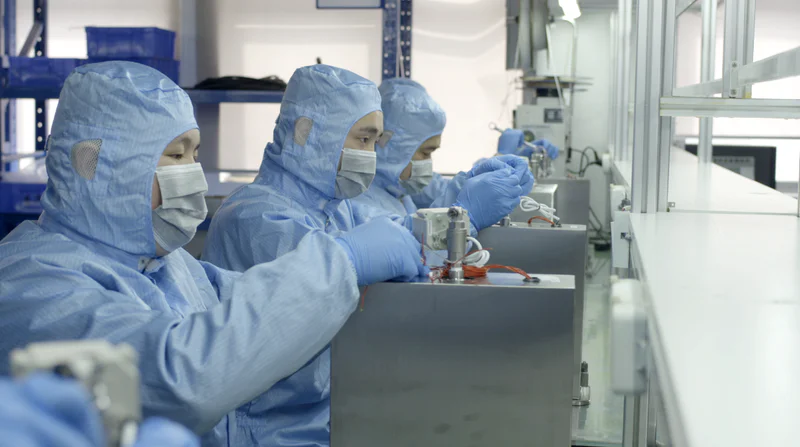 Step 04
Order Verification
Voltage, model, accessories, spare parts and documents are matched to your order before packing, so nothing is missing on arrival.
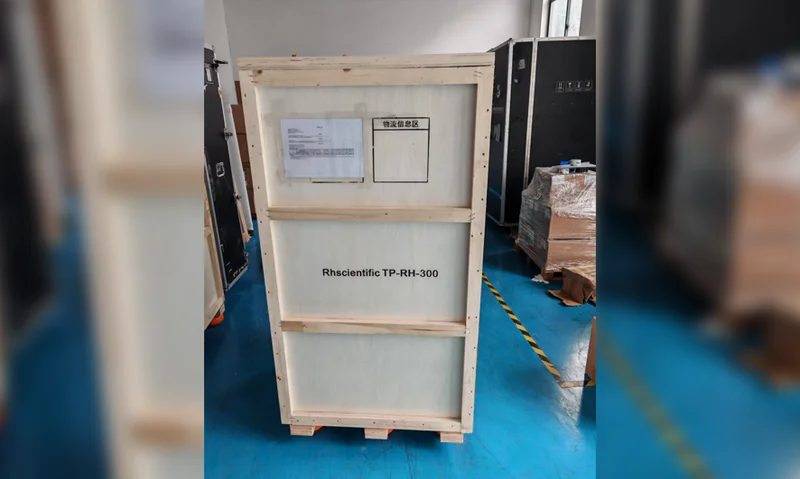 Step 05
Export Packing
Packed for international transport, with accessories and spare parts labelled so your team knows what is in each carton at receipt.
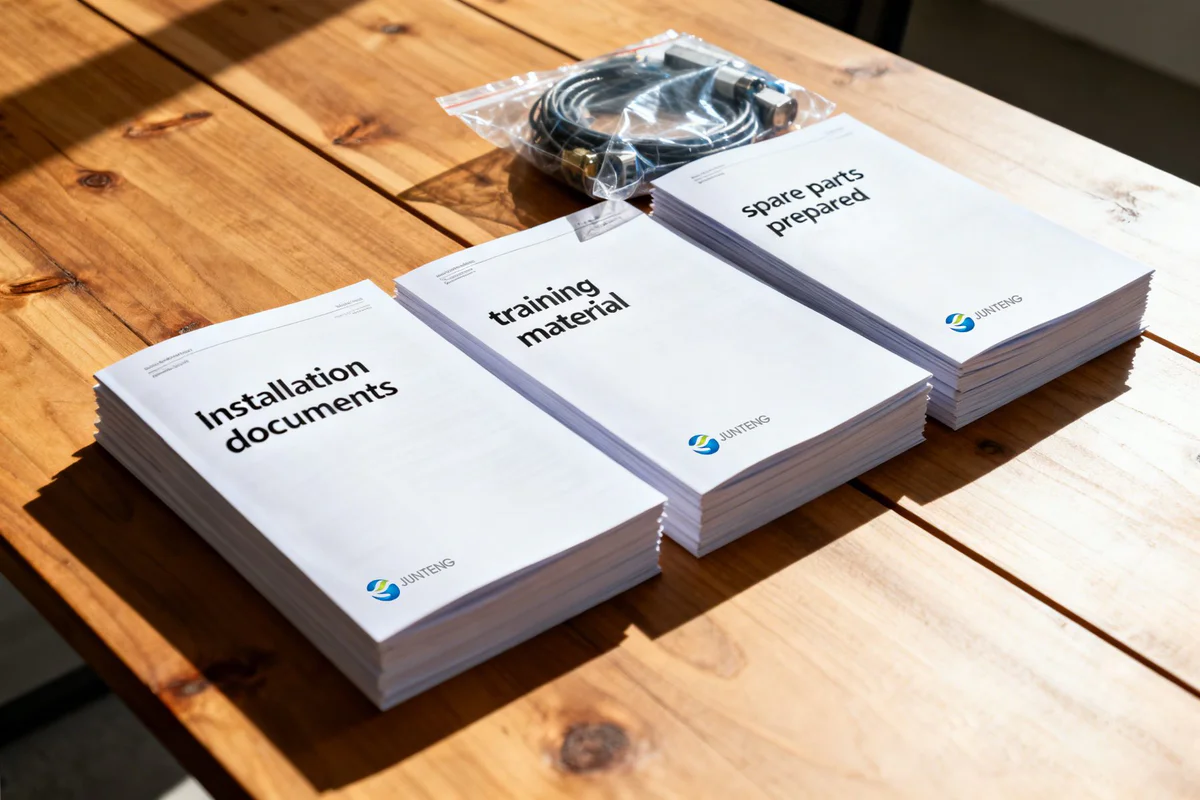 Step 06
Delivery Prep
Packing details, installation requirements, training material and spare parts are confirmed with you before the machine leaves the factory.
Want to see the testing on your own unit before it ships? Ask and we send the photos, video and packing list for your order.
Support For Distribution And Tenders
A machine quotation on its own does not win a hospital project. What decides it is whether you can answer the technical questions and file the documents on time.
 Prepared per project
What you get back
Model recommendation, specifications, certificates and tender documents, within 24 hours.
Flag your deadline and we work to it. Mid-tender is not the time to wait on a factory reply.
Pricing
Project Quotations
Send country, model, quantity and the project behind it. You get a quote against a confirmed configuration, not a list price that shifts later.
Selection
Specification Review
Send the tender spec before you quote. We mark line by line what the HT-AP-300 and HT-AP-600 meet, and flag whatever needs confirming.
Bidding
Tender Support
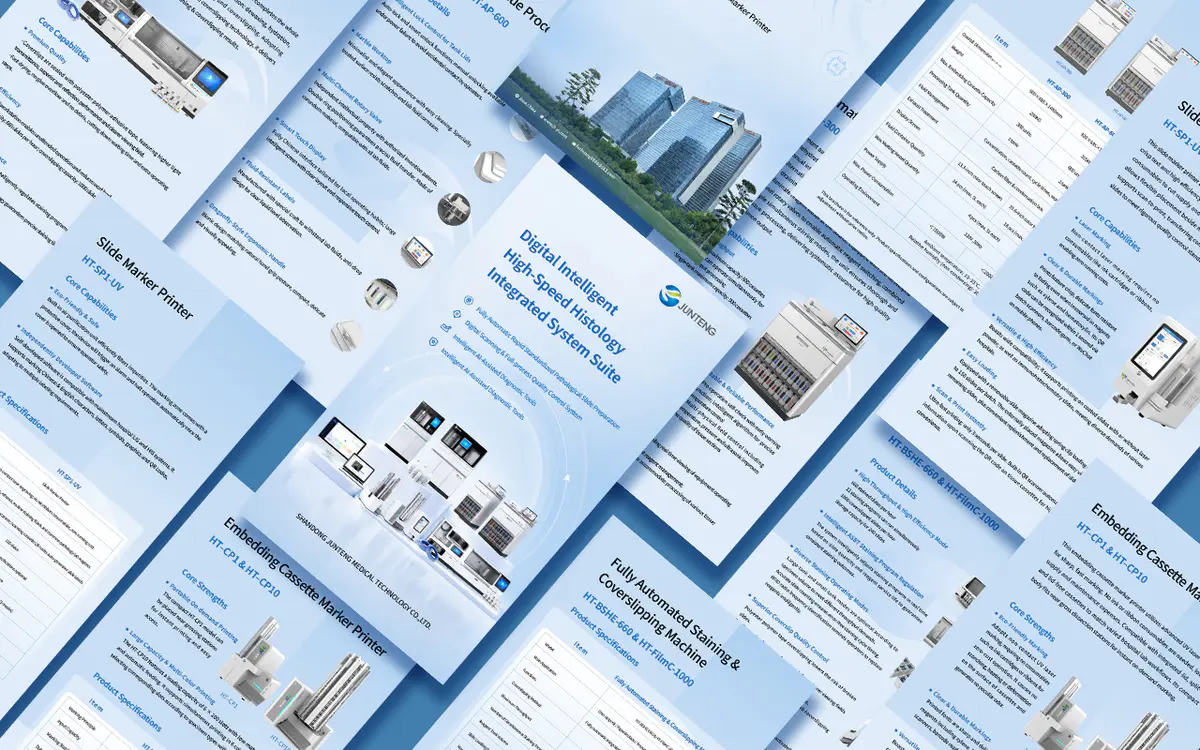
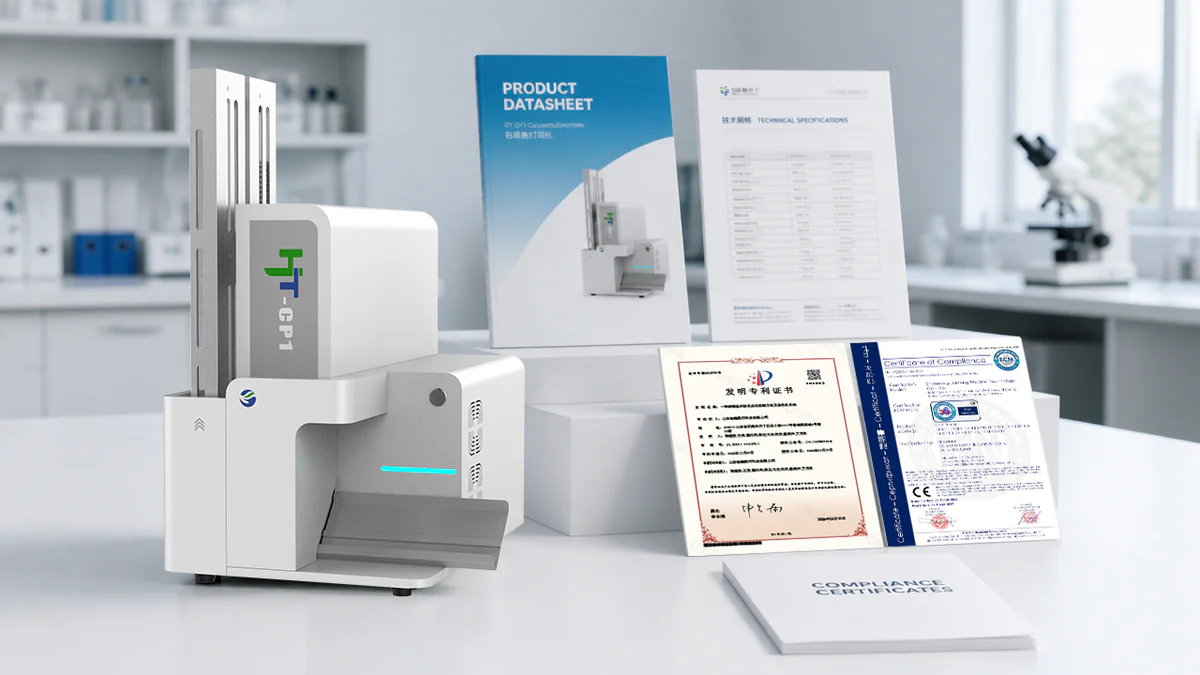
Specifications, model details, product images and packing information, prepared in the format your submission needs.
Documents
Factory Records
Datasheets, manuals, installation requirements, factory qualification and certificates, for internal review or local submission.
Registration
Compliance Prep
Your team owns the local registration. We supply the product and factory documents behind it and answer technical questions while you prepare.
Sales Tools
Promotion Material
Images, demonstration videos, model comparisons and testing photos your sales team can put in front of a pathology department.
Start The Project File
Send these seven details with your first message. With them we reply with a real model recommendation and quote. Without them, all we can send back is a generic brochure.
- Country or region
- Company type
- Required model or capacity
- Expected quantity
- Distribution or tender project
- Tender deadline, if any
- Certificates and documents required
 Prepared per project
Reply within 24 hours. Faster if you flag a tender deadline.
Make Local Support Easier To Deliver
Selling the machine is the easy part. What your customer remembers is what happened at installation and the first time something needed replacing.
 Step 01
Installation
Site Ready First
Finding out on delivery day that the bench is too short or the power supply is wrong costs you a return trip and your customer's confidence. Space, power and startup requirements go out in advance.
- Space and positioning
- Power supply
- Startup conditions
 Step 02
Local Capability
Answer It Locally
If every routine question travels back to China, your service looks slow no matter how fast we reply. Manuals and technical guidance let your engineers handle program setup, reagents, cleaning and basic alarms.
- Manuals and guidance
- Program setup
- Alarm handling
 Step 03
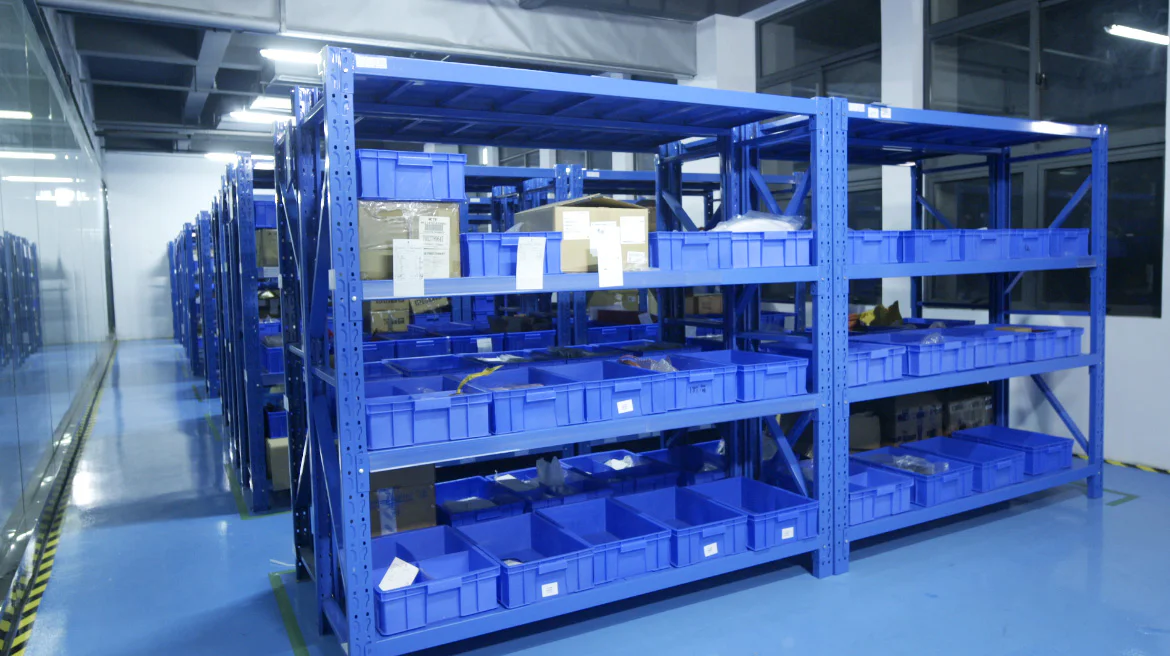
Spare Parts
Keep Stock Local
One unavailable component can idle a whole pathology department for weeks. Before shipment we go through the recommended parts and maintenance items for your model, so you stock ahead instead of ordering under pressure.
- Recommended parts list
- Maintenance items
- Local stock planning
Ask for the installation requirements and recommended spare parts list before you confirm the order, not after the machine ships.
Questions Distributors Ask Before Quoting
The points that decide whether a project goes through. If yours is not here, send it over and you get a written answer within 24 hours.
How do I choose between the HT-AP-300 and HT-AP-600?
The HT-AP-300 is single retort, up to 300 cassettes per batch. The HT-AP-600 is dual retort, up to 600.
Do not pick on maximum capacity alone. Compare daily cassette volume, batch frequency, processing schedule and where the workload will be in two years. Send us those numbers and we review the fit before quoting.
Can processing programs be adjusted for different workflows?
Yes. Both models support program management for dehydration, clearing and paraffin infiltration. The available settings and adjustment ranges depend on the model.
Send your current protocol or the tender specification before ordering. We compare it against the available program configuration and tell you which points need confirming, rather than letting you find out after delivery.
How does reagent management work in daily use?
Reagent management helps operators track use and plan replacement across repeated processing cycles, so reagents are not changed on guesswork.
When comparing models, confirm how reagent status is displayed, how replacement is recorded and which settings can be adjusted. The full details come with the technical documents.
What should the lab prepare before installation?
Confirm equipment dimensions, installation access, placement clearance, local power supply and grounding before delivery. The lab should also review ventilation and chemical handling for routine processing.
We send the installation requirements and startup information in advance so the site is ready before the crate arrives, not after.
Can voltage and frequency be configured for my country?
Yes, but electrical requirements must be confirmed before production. Send your local voltage, frequency and plug or connection requirements when you request the quotation.
The final electrical configuration is stated in the quotation, technical specification and order confirmation. Never place an order based only on a standard brochure.
What happens if power is cut during an overnight cycle?
The equipment includes power interruption protection, which covers the cycle in progress and reduces the uncertainty around an unfinished batch.
Confirm the exact protection and recovery procedure for your model: how the current stage is recorded, what the operator checks when power returns, and whether manual confirmation is needed before continuing.
What technical and tender documents can you provide?
Datasheets, technical specifications, user manuals, installation requirements, packing information, product images, testing materials, factory documents and certificates.
For a tender, send the specification and the submission deadline as early as you can. That gives us time to review the requirements, prepare the documents and flag deviations before you submit, not the night before.
How long does production and delivery take?
Lead time depends on model, electrical configuration, quantity, accessories, spare parts and document requirements. A confirmed schedule only comes after the configuration and commercial terms are settled.
If your project has a fixed deadline, put the required delivery date in your first message. We check production and shipping feasibility before quoting instead of promising a date we cannot hold.
What does the warranty cover?
Warranty period, coverage and claim procedure are stated in the formal quotation or sales contract.
Before ordering, confirm which components are covered, which wear and consumable parts are excluded, what evidence a claim needs and how replacement parts are supplied. Recommended spare parts can ship with the machine so your local service is not waiting on a courier.
What support is there for importers and distributors?
Model selection support, distributor pricing, technical documents, tender materials, product images, training materials and recommended spare parts for your market.
Send your country, company profile, target product line and current project opportunities. Cooperation terms follow from your actual market plan. Exclusivity, territory protection and project protection are confirmed separately in writing.
Start Your Project With Derek
Send your cassette volume and project details. You get a model recommendation and a real quote back within 24 hours, not a brochure.

Hi, I'm Derek.
Sales, Junteng Medical Technology
Replies within 24 hoursEvery message on this page comes straight to me. I have spent years putting these processors into hospital projects, so tell me the workload and the tender and I will tell you honestly whether we fit, including when we do not.
What I send back, free
- A model recommendation for your actual volume, 300 or 600
- A technical deviation table against your tender spec
- Datasheets, certificates and factory testing photos
- Distributor pricing and cooperation terms for your market
Derek
Shandong Junteng Medical Technology Co., Ltd.
Send your requirements
Fields marked are required.