
China Tissue Processor Factory
Get factory-direct automated tissue processors built for stable dehydration, clearing and paraffin infiltration across your histology and pathology workloads.
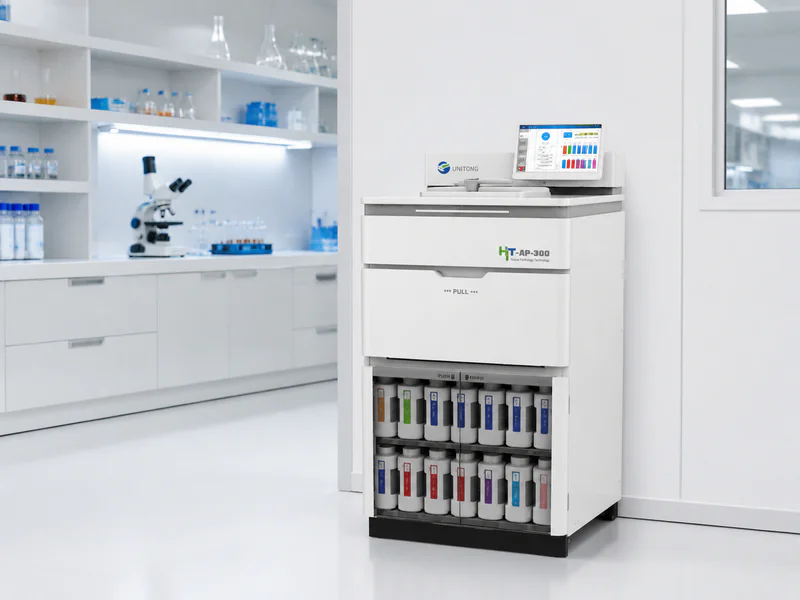
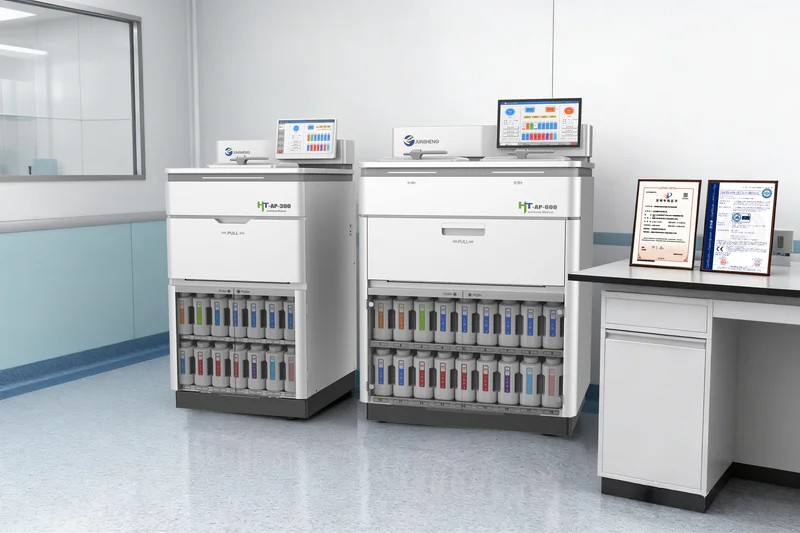
Choose single-retort 300-cassette or dual-retort 600-cassette models for routine and overnight processing. With closed processing, multi-mode mixing, reagent tracking and power-failure continuation, you keep daily tissue workflows more controlled from fixation to paraffin infiltration.
- 300 / 600 cassettes per batch
- Single-retort & dual-retort models
- Closed tissue processing system
- Ultrasonic, pressure and jet mixing
- Reagent and paraffin usage reminders
- Power-failure continuation for overnight runs
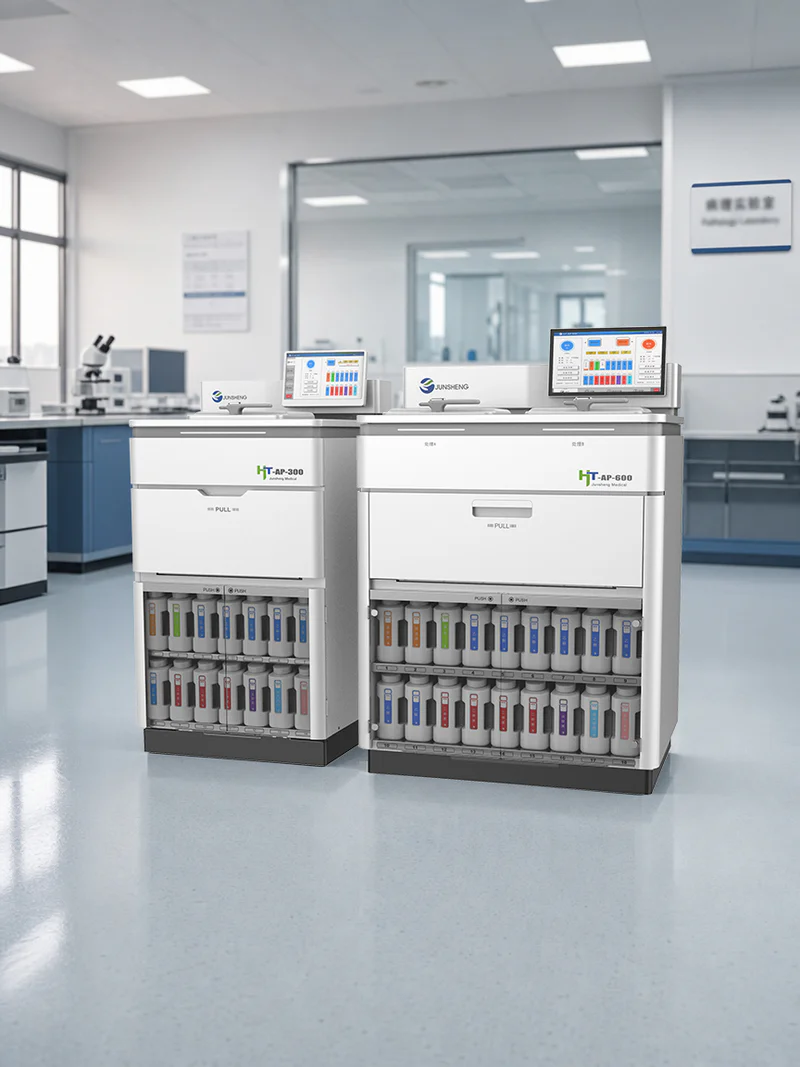
Single & Dual Retort
300 / 600 cassettes per batch
Not Sure Which Tissue Processor Fits Your Lab?
Share your daily cassette volume, tissue types and routine processing schedule. Whether you run routine daytime batches or overnight processing, we help you pick between the single-retort 300-cassette and dual-retort 600-cassette models so your throughput and reagent use stay under control.
Everything You Need To Spec Your Tissue Processor
Jump straight to the answer you need, from picking between single-retort and dual-retort models to core processing technology, specs, factory support, and how to send us your requirements for a quote.
Model Selection
Single vs dual retort
Processing Challenges
Problems it solves for you
Core Technology
Closed system & mixing
Processing Workflow
Fixation to paraffin
Capacity & Overnight Runs
300 / 600 cassettes
Processing Results
See the tissue quality
Technical Specifications
Full spec sheet
Selection Guide
Match model to your lab
Factory Support
After-sales worldwide
Export Documents
Import paperwork ready
FAQ
MOQ, sampling, lead time
Choose The Right Tissue Processor For Your Lab
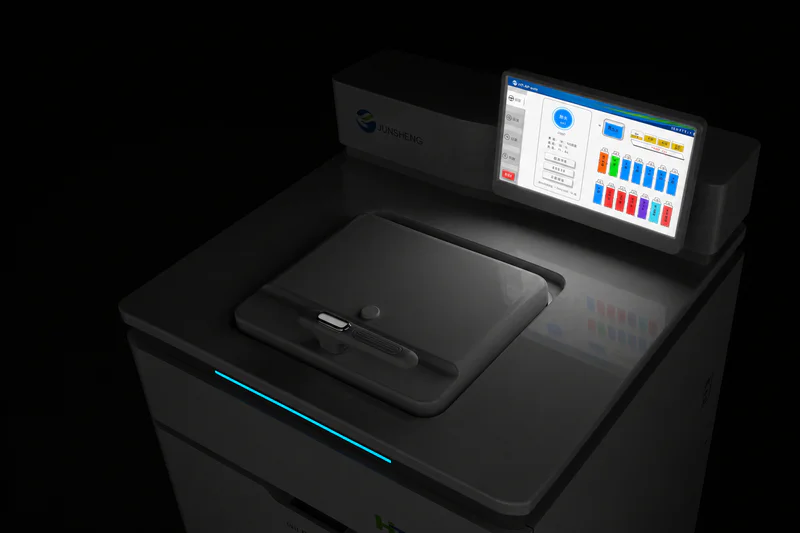
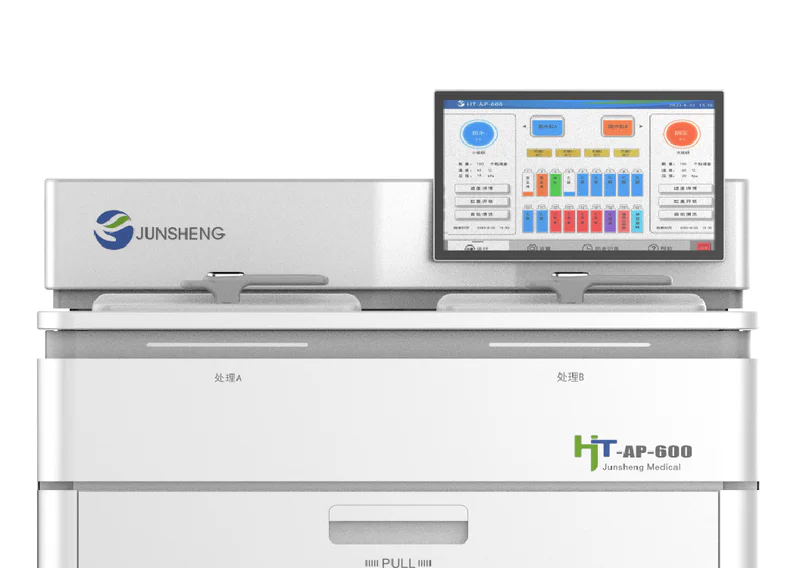
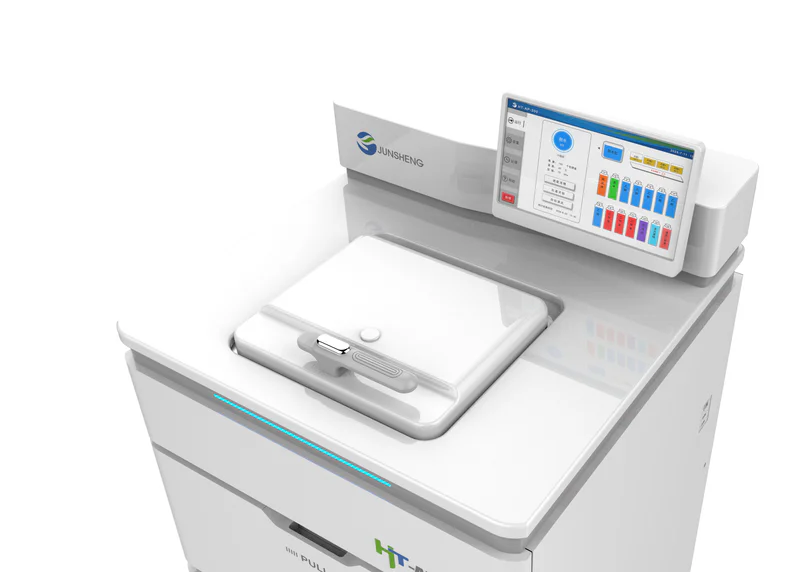
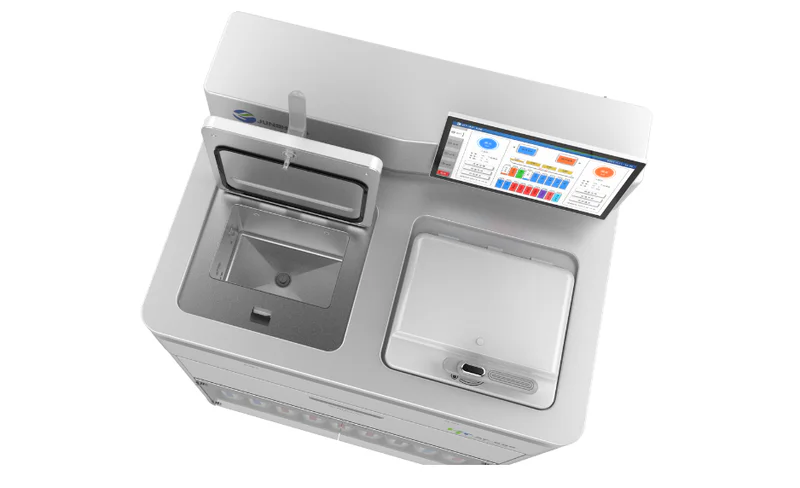
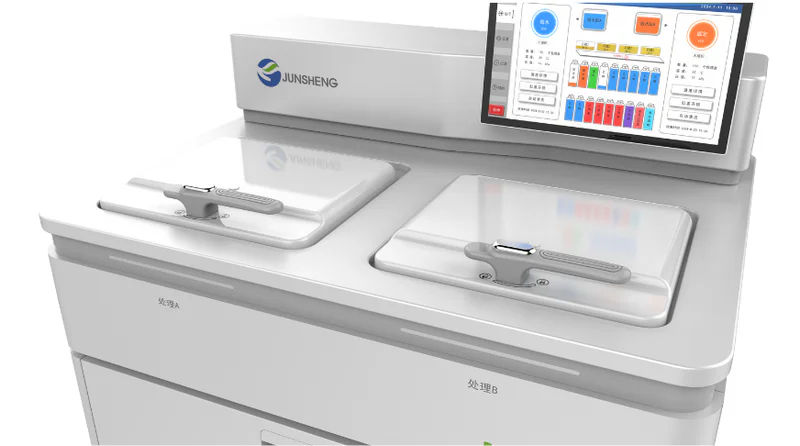
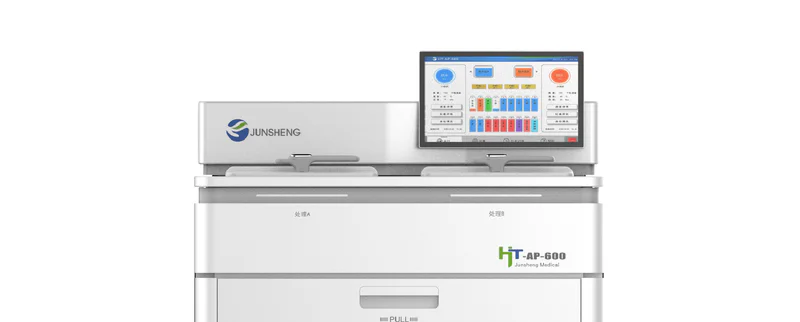
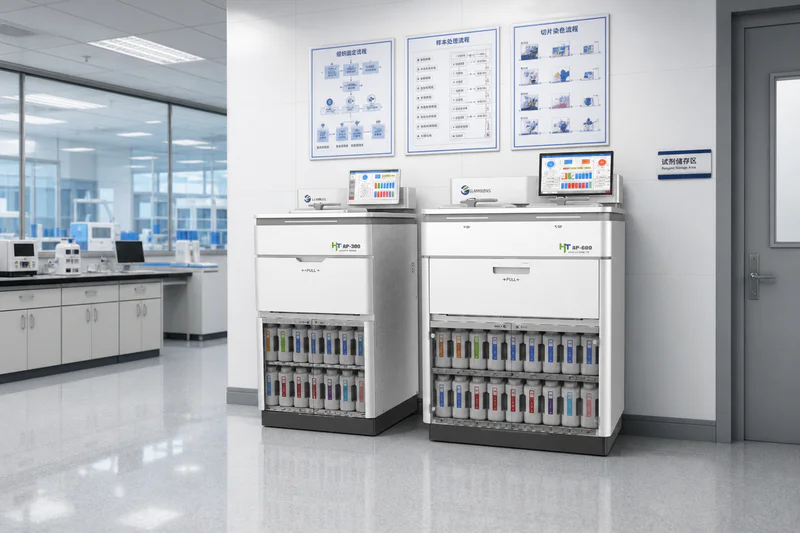
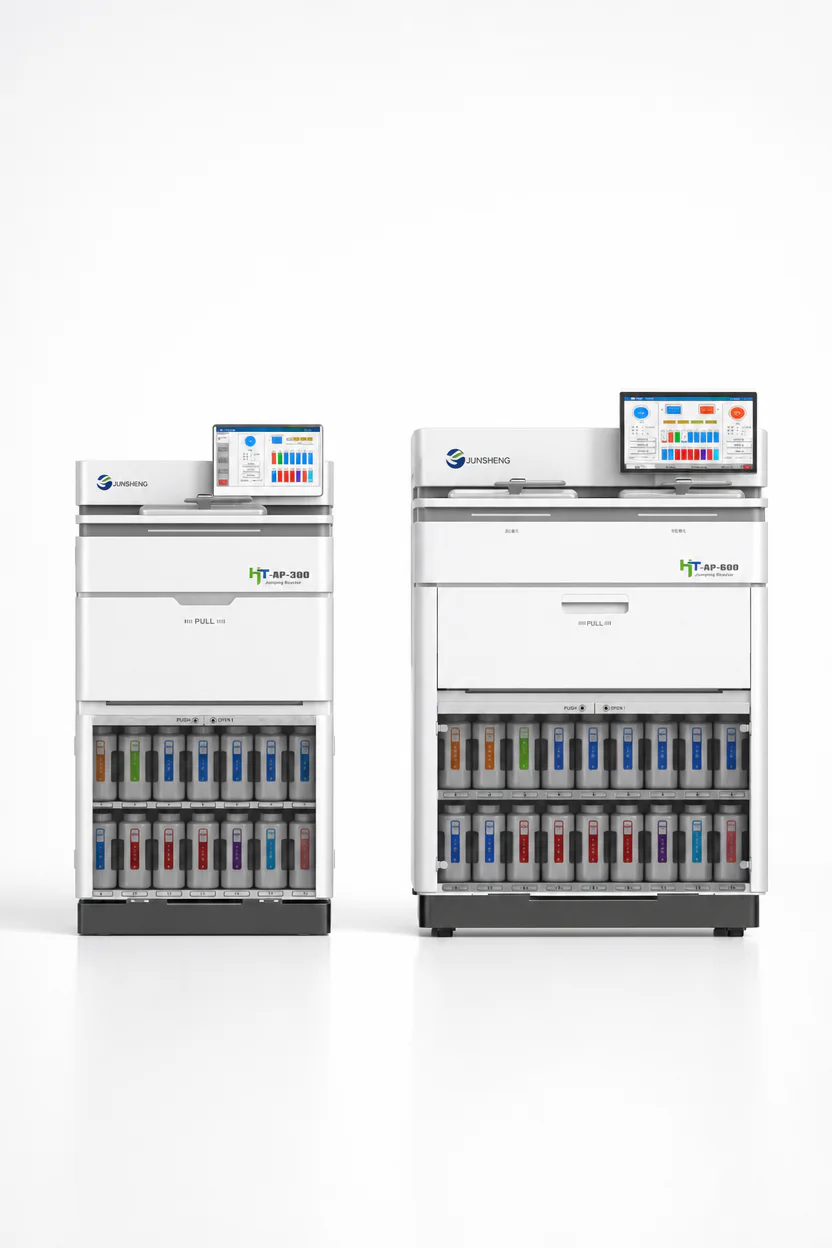
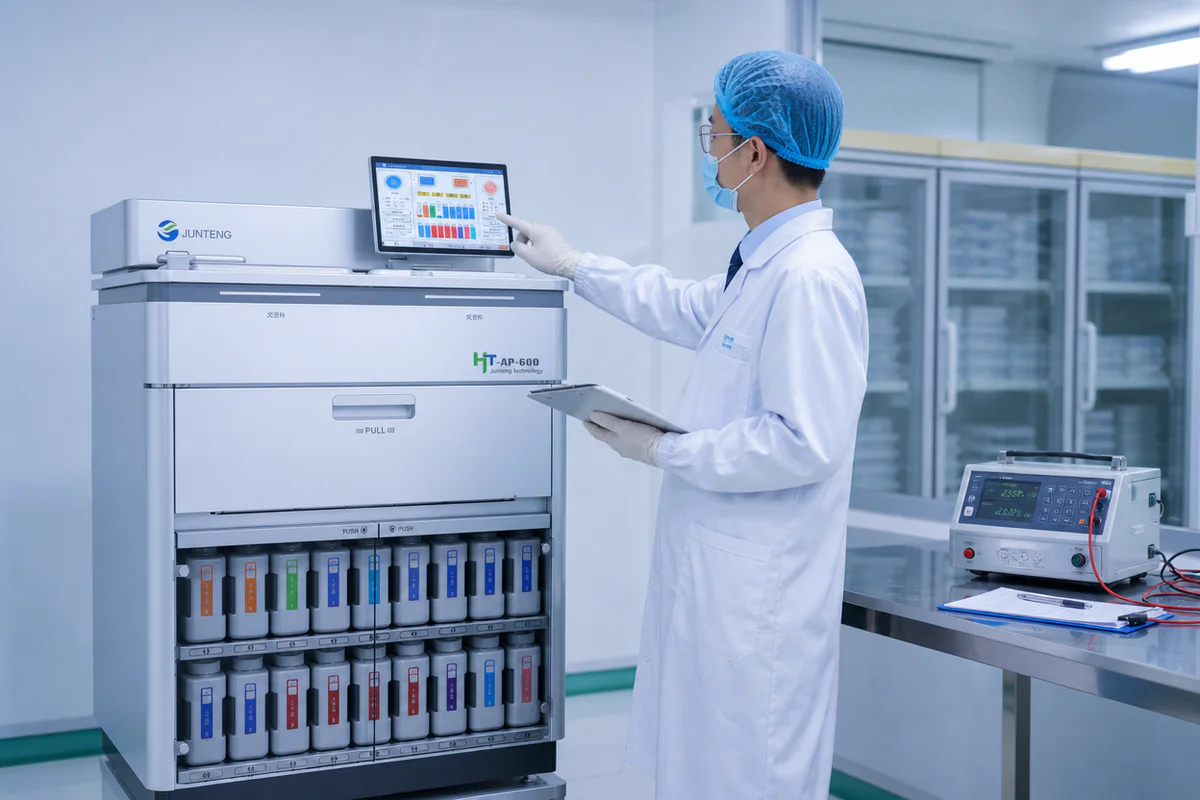
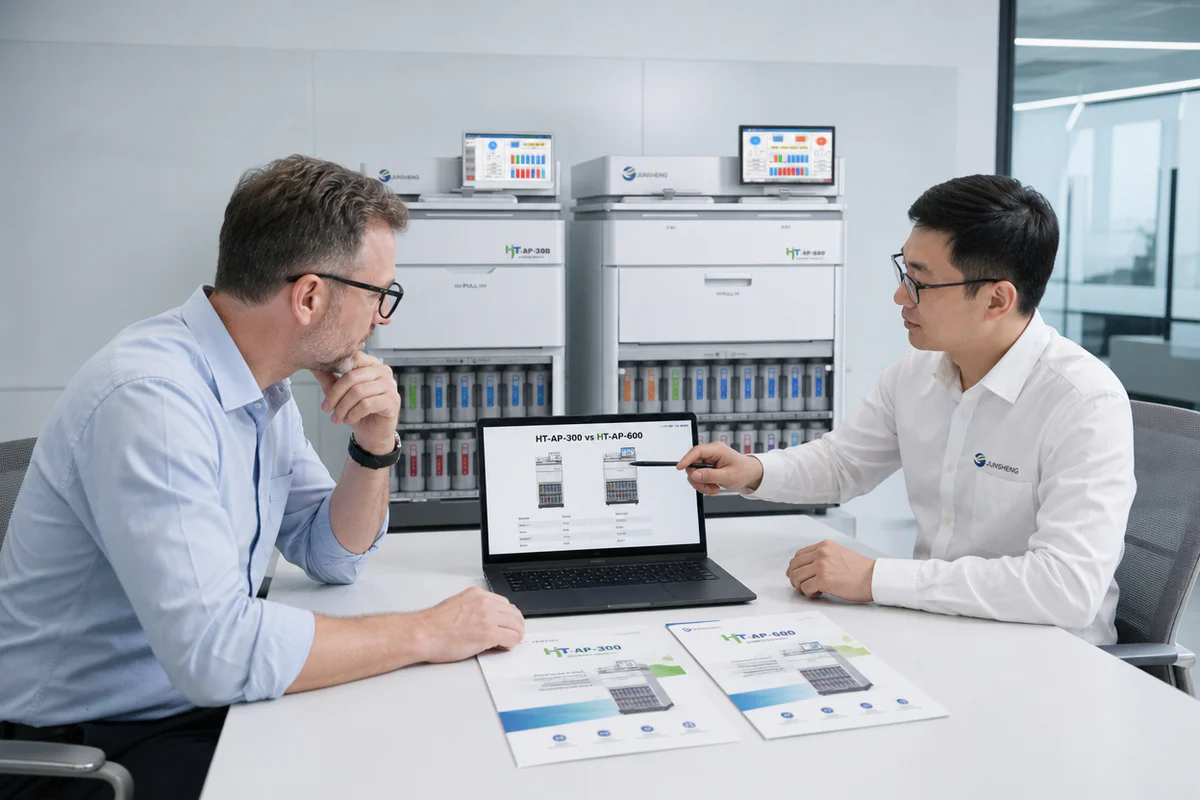
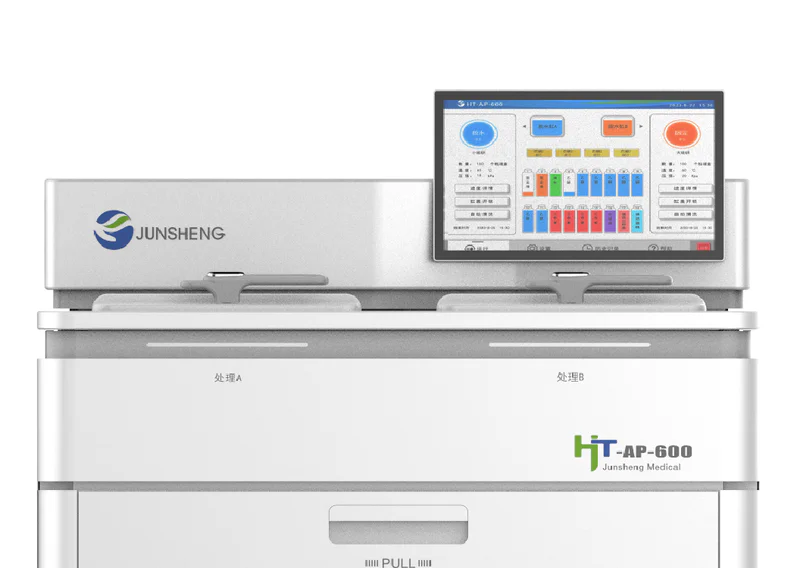
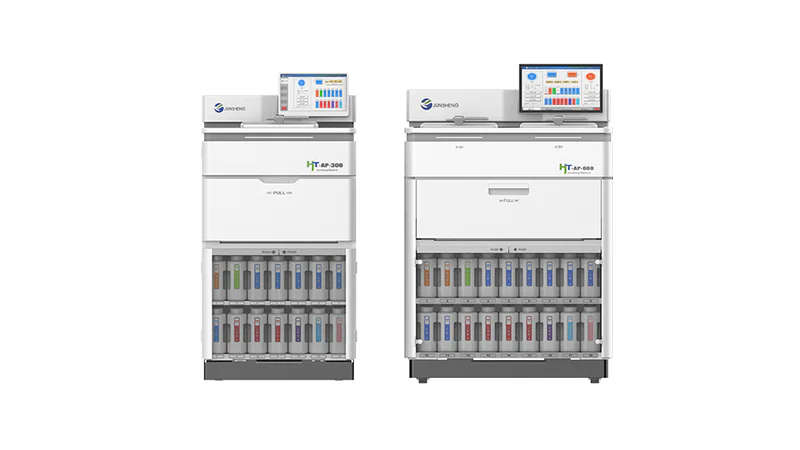
Pick your tissue processor based on daily cassette volume, tissue types and routine processing schedule. The HT-AP-300 handles routine single-retort processing, while the HT-AP-600 gives higher-volume labs dual-retort capacity for larger daily workloads.
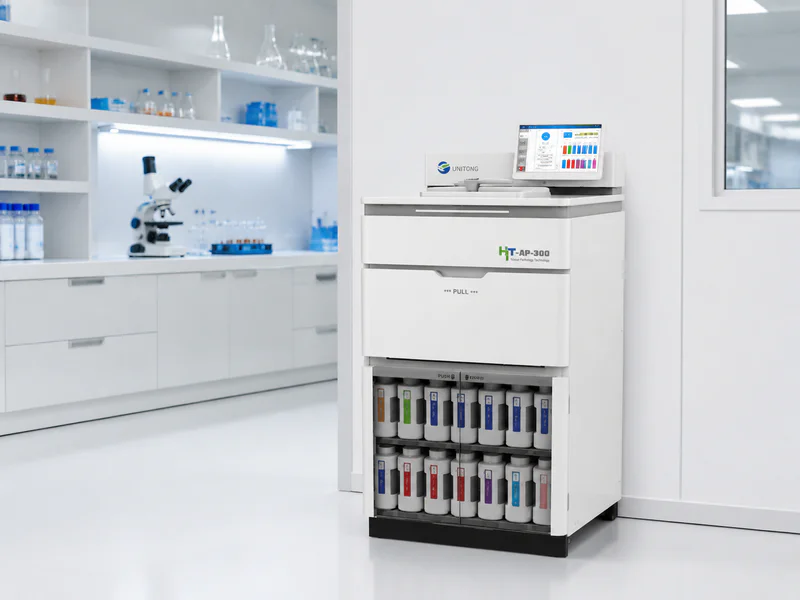
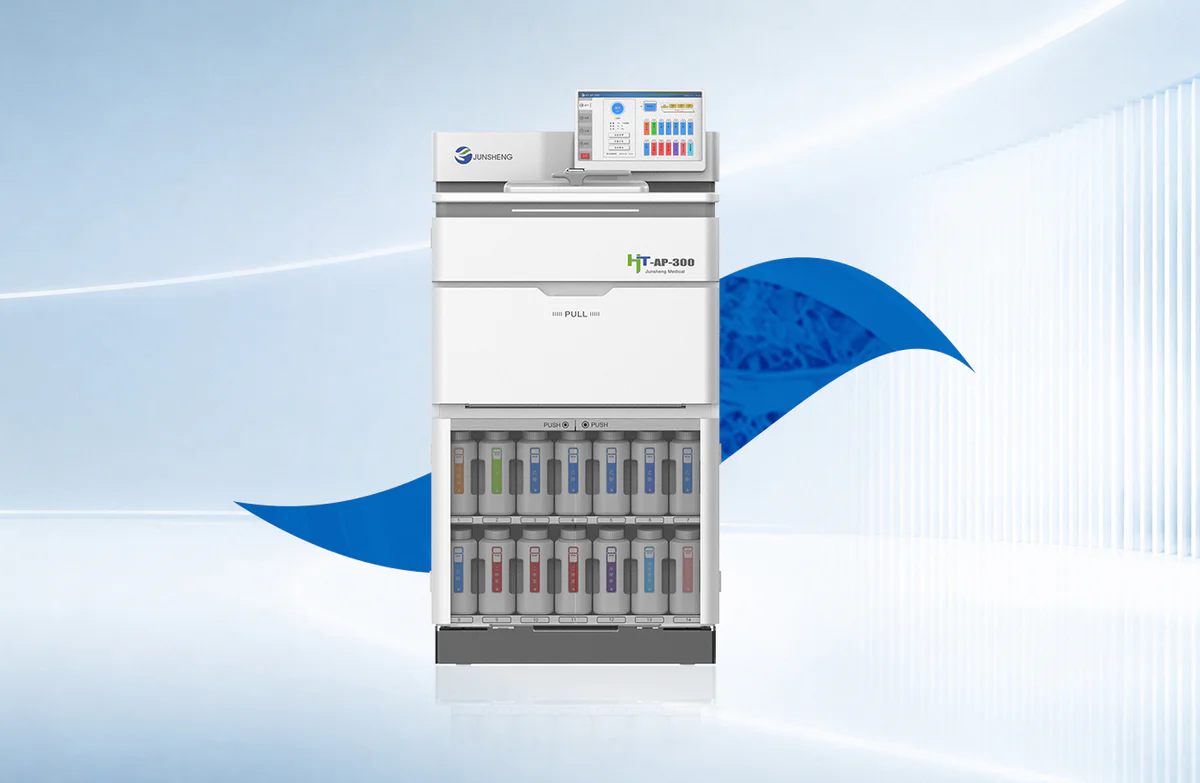
HT-AP-300
Single-Retort Tissue Processor
Best For
Small to medium histology labs
Routine daily tissue processing
Labs upgrading from older processors
Teams with stable cassette volume
Choose HT-AP-300 if: your daily workload fits in one processing batch and you need a reliable closed tissue processor for routine dehydration, clearing and paraffin infiltration.
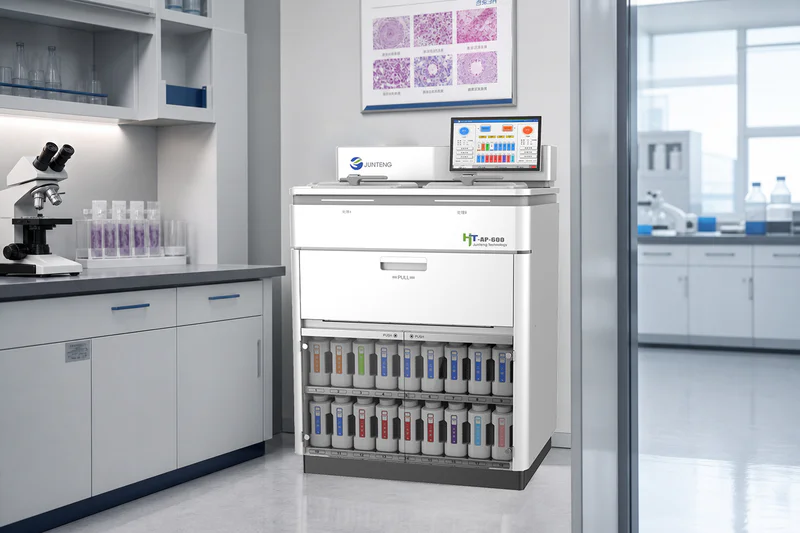
HT-AP-600
Dual-Retort Tissue Processor
Best For
High-volume pathology labs
Regional pathology centers
Third-party histology labs
Labs with growing sample volume
Choose HT-AP-600 if: you need higher batch capacity, dual-retort processing and more flexibility for daily or overnight tissue workflows.
Still deciding between the two? Share your daily cassette volume and processing schedule, and we help you match the right model.
Chat With DerekKeep Tissue Processing Under Control
Tissue processing problems often show up later, during embedding, sectioning, staining or slide review. A reliable processor helps you control dehydration, clearing, paraffin infiltration, reagent condition and overnight operation before the tissue reaches embedding.
Not sure which of these matches your current workflow? Send your tissue types and daily schedule and we help you check the right setup before you order.
Handling Routine, Large, Fatty Or Mixed Tissue?
If your lab processes routine biopsy, large tissue, fatty tissue or mixed tissue types, share your workflow with us. We help you review the right processing setup before quotation, so the model, capacity and reagent program match your daily samples.
Technology For Controlled Tissue Processing
Every step in tissue processing affects the next one in embedding, sectioning and staining. HT-AP processors combine mixing, fluid control, reagent tracking and safety protection to help you manage routine processing with greater consistency.
Multi-Mode Mixing
Positive/negative pressure, ultrasonic mixing and jet agitation improve reagent movement, temperature uniformity and paraffin infiltration across different tissue types.
Helps with
Routine, fatty and mixed tissue processing
Positive And Negative Pressure Fluid Control
Pressure control draws reagents into the retort and supports each processing step, including fixation, washing, dehydration, clearing and paraffin infiltration.
Helps with
More controlled reagent transfer and tissue infiltration
Closed Processing System
Closed processing supports automatic fluid transfer, fume collection and waste liquid collection, reducing manual reagent handling during your daily operation.
Helps with
Lab safety, odor control and cleaner workflow
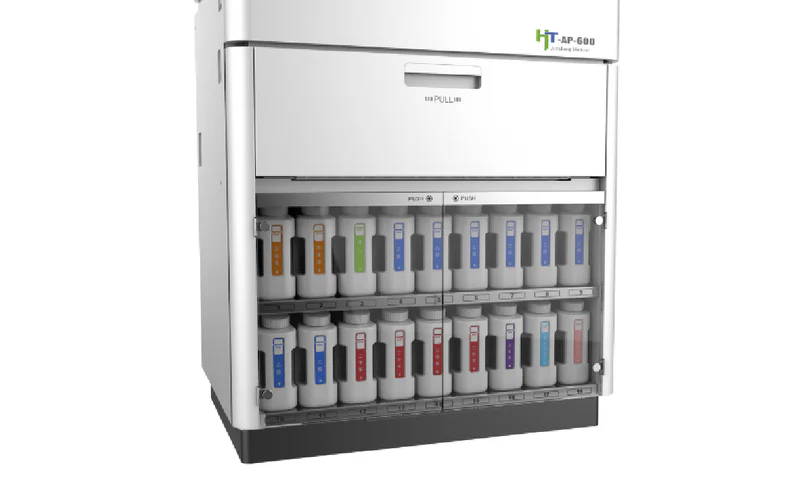
Smart Reagent Management
Manage reagent usage by cassette count, usage days or processing cycles. The system reminds you when replacement is required.
Helps with
Clearer replacement timing and stable processing control
Paraffin Management
Paraffin temperature is adjustable, and paraffin usage can be tracked together with reagent replacement settings to support routine infiltration control.
Helps with
Paraffin infiltration, wax condition and maintenance planning
Liquid Level And Temperature Monitoring
Liquid level detection and temperature abnormality monitoring help you identify processing risks before they affect the tissue batch.
Helps with
Reducing overnight uncertainty and protecting continuity
Smart Retort Lid Locking
The electronic lid lock helps prevent unintended opening during processing, supporting safer operation when reagents and heated paraffin are in use.
Helps with
Operator safety and process protection
Power Failure Continuation
After power recovery, the instrument continues from the interruption point. UPS connection and UPS power information management are also supported.
Helps with
Overnight processing and unexpected power interruption
Preset And Custom Programs
The system includes 15 common tissue processing programs. You can also add or modify programs according to your laboratory requirements.
Helps with
Routine biopsy, large tissue, fatty tissue and varied schedules
From Fixation To Paraffin Infiltration
Once your fixed or pre-fixed cassettes are loaded, the processor runs preset reagent steps in a closed system. Controlled pressure transfers reagents into the retort, moving your tissue through washing, dehydration, clearing and paraffin infiltration before embedding.
Fixation / Post-Fixation
The program can begin with a fixation or post-fixation reagent step to support tissue preparation before dehydration.
Control focus
Program setting, reagent selection and processing time
Washing
The washing step helps remove residual fixative before your tissue enters graded dehydration.
Control focus
Reagent sequence and controlled fluid exchange
Dehydration
Graded alcohol steps remove water from your tissue before clearing and paraffin infiltration.
Control focus
Reagent concentration, processing time and mixing performance
Clearing
The clearing step replaces alcohol with a clearing reagent to prepare your tissue for paraffin infiltration.
Control focus
Complete reagent transition and stable fluid movement
Paraffin Infiltration
Heated paraffin enters the retort to infiltrate your tissue before embedding.
Control focus
Paraffin temperature, infiltration time and reagent penetration
Ready For Embedding
After the program completes, your processed cassettes are ready for routine embedding, sectioning and staining.
Control focus
Completion status, tissue handling and next-step workflow
How The System Controls The Workflow
Once your program is running, the HT-AP processor manages reagent selection, fluid transfer, mixing and safety monitoring inside a closed system, so your daily tissue processing stays controlled with less manual handling.
 Closed System
Share your tissue types, daily cassette volume and routine schedule. We help you set up the right processing program before quotation.
Automatic Reagent Selection
The instrument selects reagents according to your preset processing program, so each step follows the planned sequence.
Closed Fluid Transfer
Reagents move through the system without open manual pouring during routine processing, reducing hands-on reagent handling.
Pressure-Assisted Processing
Positive and negative pressure help draw reagents into the retort and support tissue infiltration across your different tissue types.
Multi-Mode Mixing
Ultrasonic mixing and jet agitation help improve reagent movement during key processing steps for more even results.
Reagent And Paraffin Tracking
Manage usage by cassette count, usage days or processing cycles, so you know when reagent and paraffin replacement is due.
Safety Monitoring
Liquid level detection, temperature monitoring and lid locking help keep your process controlled during routine and overnight runs.
Capacity For Daily And Overnight Processing
Capacity is not only about cassette numbers. It is also about whether your lab can complete routine batches overnight and keep the next morning's embedding schedule predictable.
 Single Retort
HT-AP-300
Single-Retort ProcessingBest For
Routine daily tissue batches
Small to medium histology labs
Stable cassette volume
Labs upgrading from older processors
Workflow value: a practical choice when one processing batch covers your routine daily workload.
HT-AP-600
Dual-Retort ProcessingBest For
Higher daily cassette volume
Regional pathology labs
Third-party histology labs
Growing sample workload
Parallel processing needs
Workflow value: dual-retort capacity gives your team more flexibility when daily tissue volume increases or separate processing schedules are required.
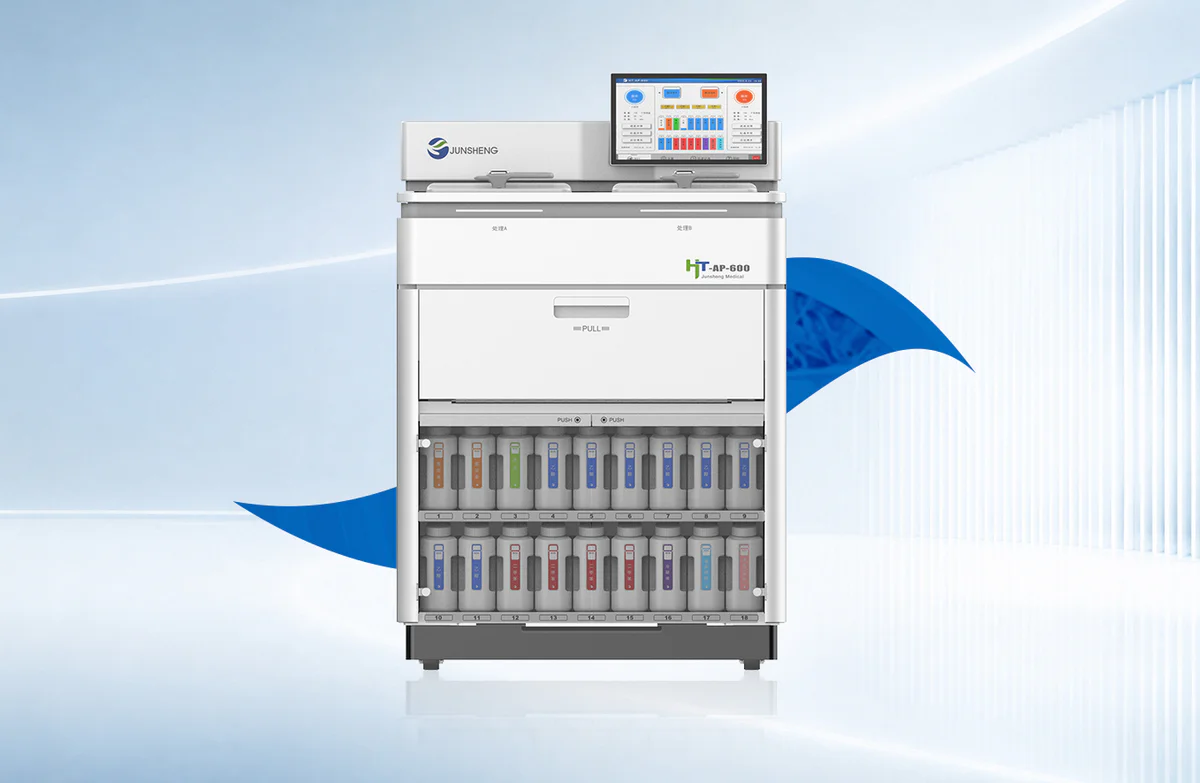 Dual Retort
Built For Overnight Tissue Workflows
When you run tissue overnight, the risk is next morning's embedding schedule. These controls help protect processing continuity while your lab is unattended.
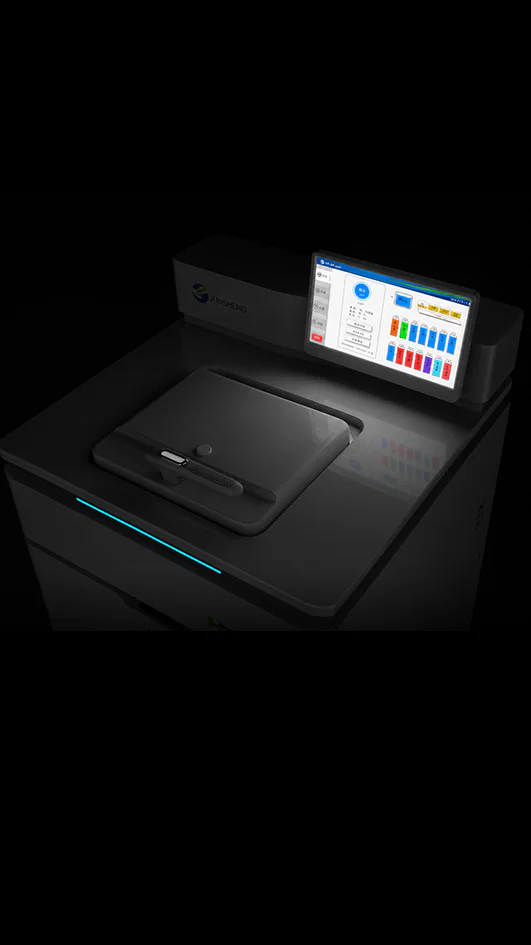 Overnight Ready
Power-Failure Continuation
After power recovery, the instrument continues from the interruption point to help protect your overnight processing continuity.
UPS Support
UPS connection and UPS power information management are supported when your lab needs additional power protection.
Liquid Level Detection
Liquid level monitoring helps identify abnormal fluid conditions during processing before they affect the batch.
Temperature Monitoring
Temperature abnormality detection helps control heated processing steps and paraffin infiltration.
Electronic Lid Locking
Smart retort lid locking helps prevent unintended opening during operation while reagents and heated paraffin are in use.
Reagent And Paraffin Reminders
Replacement reminders based on cassette count, usage days or processing cycles help reduce uncertainty before your overnight runs.
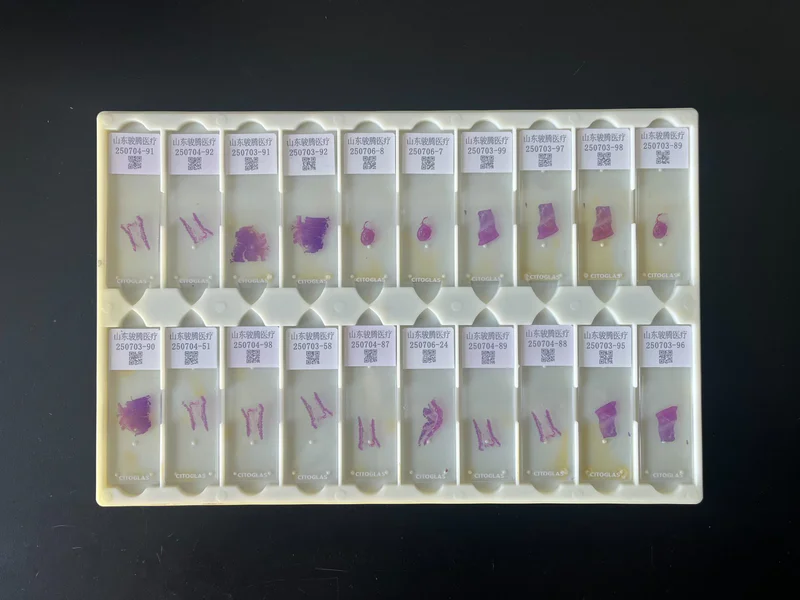
Processed Tissue Results You Can Review
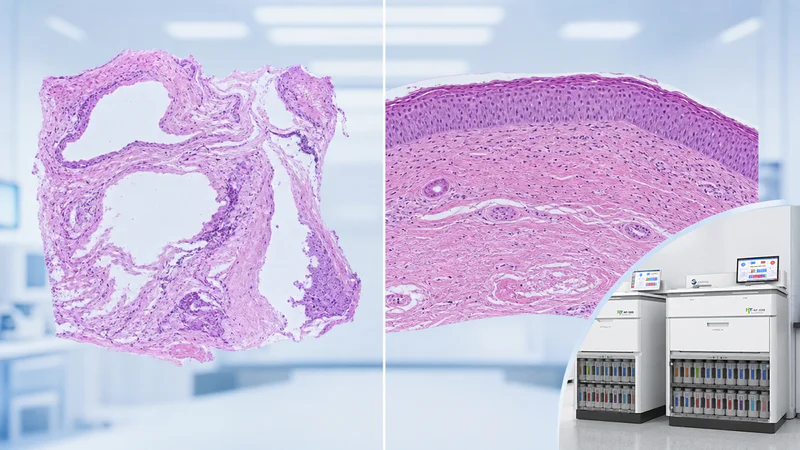
Before comparing technical specifications, review the processing results. Clear structure, stable dehydration and paraffin infiltration are key indicators for your routine embedding, sectioning and staining.
Tested Before It Reaches Your Lab
Each processor is validated across component life, electrical safety and full-load operation before shipment.
60,000+
Pathology wax blocks tested during validation
Processed Tissue Gallery
Review representative tissue types processed during product validation and application testing.
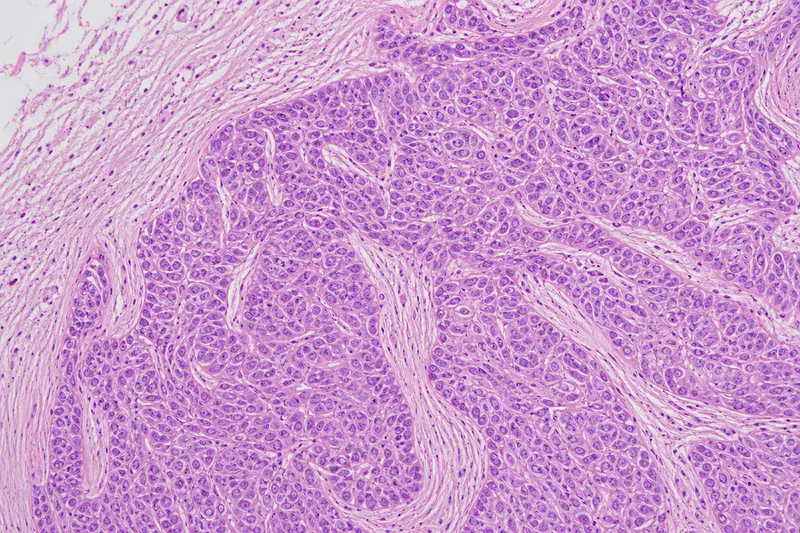
Lymph Node
Processed for stable dehydration and paraffin infiltration before routine embedding.
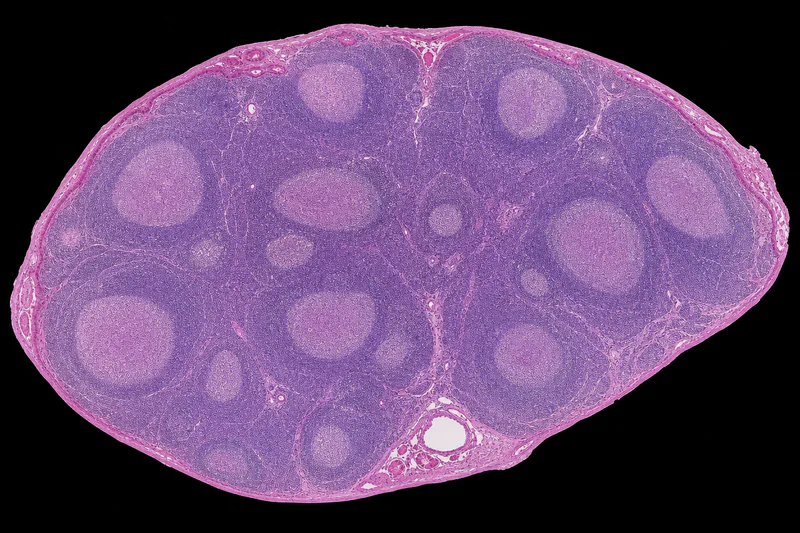
Gastrointestinal Stromal Tumor
Processed to support clear structure review after embedding, sectioning and staining.
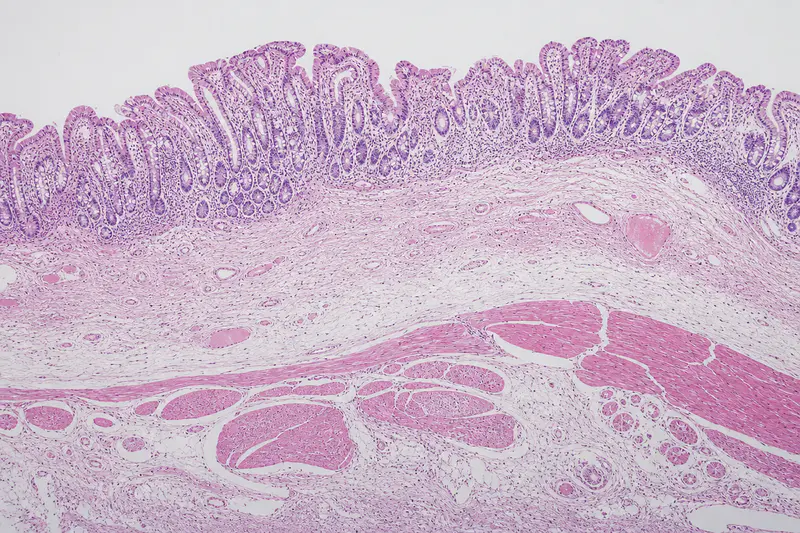
Tumor Tissue
Processed with controlled reagent movement for routine pathological preparation.
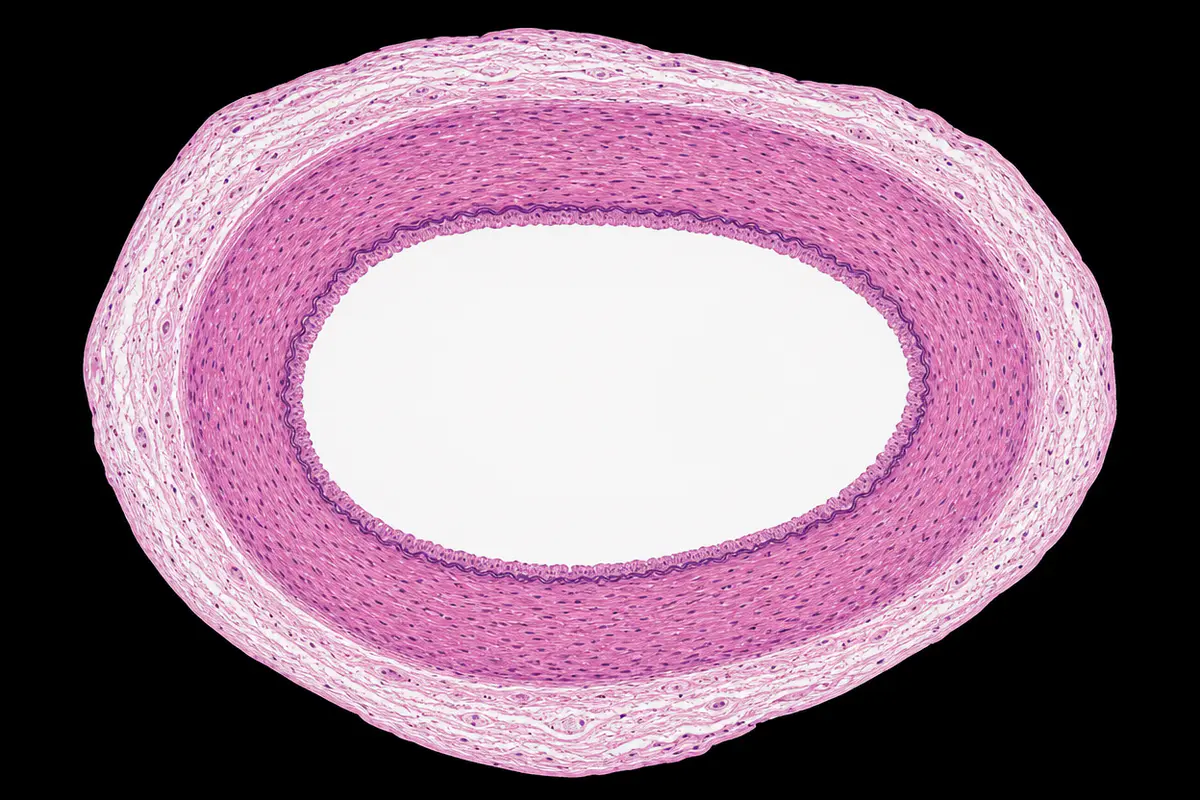
Blood Vessel
Processed to support structural integrity through dehydration, clearing and paraffin infiltration.
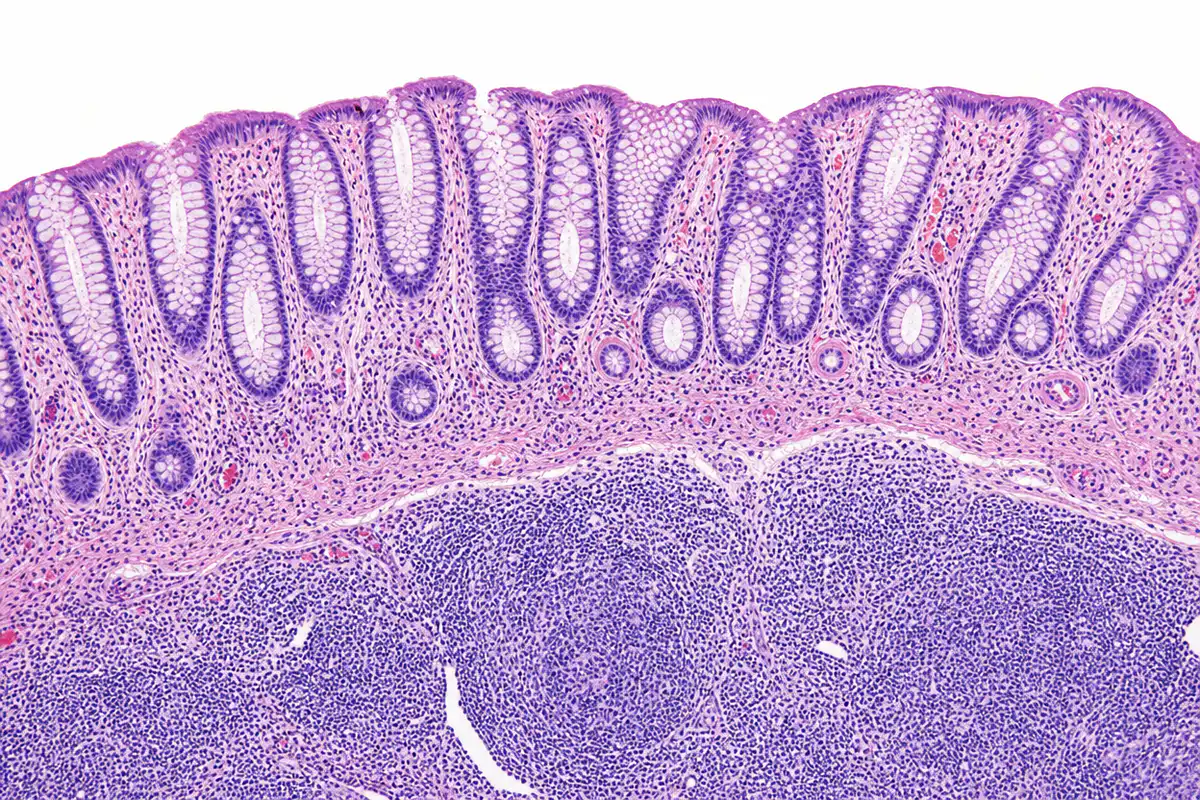
Appendix Mucosa
Processed to support mucosal structure observation after routine slide preparation.
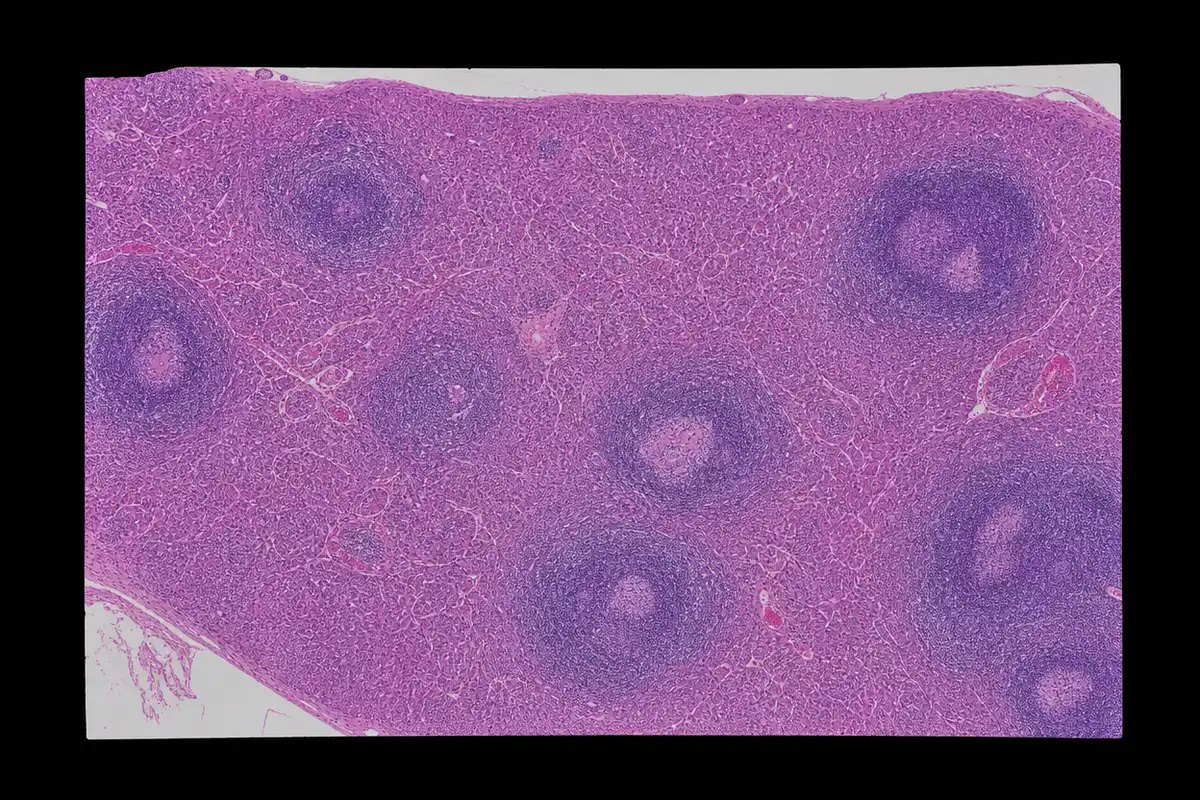
Intestinal Mucosa
Processed to support clear tissue layers and routine sectioning workflow.
Spleen
Processed for routine histology preparation with controlled reagent and paraffin steps.
Representative validation samples. Actual results depend on your tissue type, fixation and program settings.
What To Review In The Images
When you look at processed tissue references, these are the points that tell you whether the processing result fits your routine embedding, sectioning and staining workflow.
Need to review more processed tissue images? Share your main tissue types, and we provide related application references where available.
Tissue structure clarity after processing
Dehydration and paraffin infiltration result
Sectioning readiness after embedding
Performance across routine, vascular, mucosal and tumor tissue types
Processing stability for mixed tissue workloads
HT-AP-300 And HT-AP-600 Specifications
Compare the key specifications of HT-AP tissue processors for your capacity planning, laboratory layout, technical review and quotation preparation.
| Item | HT-AP-300 | HT-AP-600 |
|---|---|---|
| Type | Single-retort tissue processor | Dual-retort tissue processor |
| Dimensions | 700 × 700 × 1350 mm | 920 × 690 × 1400 mm |
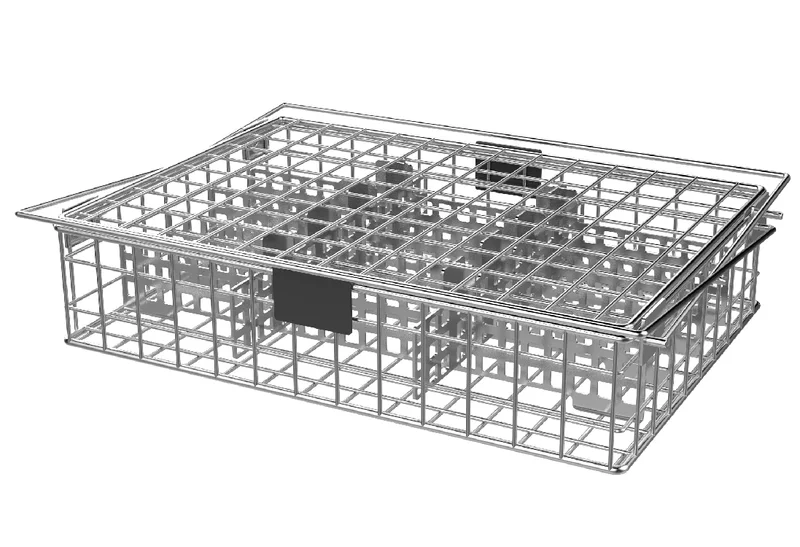
| Tissue Processing Capacity | 300 cassettes per batch | 600 cassettes per batch |
| Retort | 7L × 1 | 7L × 2 |
| Reagent Bottles | 5L × 14 | 5L × 18 |
| Paraffin Baths | 5L × 4 | 5L × 4 |
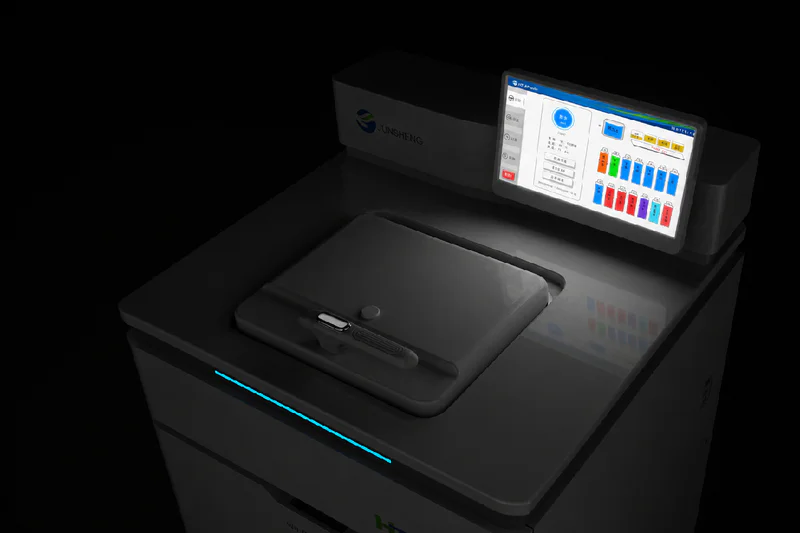
| Touchscreen | 13.3 inch | 15.6 inch |
| Preset Programs | 15 common tissue processing programs | 15 common tissue processing programs |
| Custom Programs | Supported | Supported |
| Mixing Methods | Positive/negative pressure, ultrasonic mixing, jet agitation | Positive/negative pressure, ultrasonic mixing, jet agitation |
| Reagent Management | By cassette count, usage days or processing cycles | By cassette count, usage days or processing cycles |
| Paraffin Temperature | 50–80°C adjustable | 50–80°C adjustable |
| Power Protection | Power-failure continuation, UPS support | Power-failure continuation, UPS support |
| Safety Monitoring | Liquid level detection, electronic lid lock, temperature abnormality detection | Liquid level detection, electronic lid lock, temperature abnormality detection |
Match The Model To Your Daily Volume
The HT-AP-300 is suitable for routine single-retort processing, while the HT-AP-600 provides dual-retort capacity for higher daily cassette volume or more flexible processing schedules. Download the full datasheet to compare both models against your lab layout and workload.
How To Choose A Tissue Processor
A tissue processor should match your daily cassette volume, tissue types, routine schedule, safety requirements and service plan. Run this checklist before requesting a quote or preparing technical specifications.
Daily Cassette Volume
Ask yourself: how many cassettes does your lab process each day?
Confirm whether your daily workload fits in one batch, or whether you need higher capacity for future volume growth.
Confirm Before Quotation
Single Or Dual Retort
Ask yourself: do you need one routine processing line or more flexible processing schedules?
A single-retort processor suits routine daily processing. A dual-retort model gives more capacity and flexibility when different schedules or larger workloads are required.
Confirm Before Quotation
Tissue Type
Ask yourself: what tissue types does your lab handle most often?
Routine biopsy, large tissue, fatty tissue and mixed tissue may need different processing programs, mixing performance and infiltration control.
Confirm Before Quotation
Overnight Workflow
Ask yourself: does your team load tissue in the afternoon and embed the next morning?
For overnight runs, review processing capacity, program duration, power protection, liquid level detection, temperature monitoring and completion timing.
Confirm Before Quotation
Reagent And Paraffin Management
Ask yourself: how does your lab decide when to replace reagents and paraffin?
Clear replacement reminders help you manage reagent and paraffin condition by cassette count, usage days or processing cycles.
Confirm Before Quotation
Processing Control
Ask yourself: how does the system support stable dehydration, clearing and paraffin infiltration?
Review whether the processor supports pressure control, ultrasonic mixing, jet agitation, preset programs and custom program settings.
Confirm Before Quotation
Safety And Lab Environment
Ask yourself: how will your lab manage fumes, waste liquid, heated paraffin and retort access?
A closed processing system, fume collection, waste collection, liquid level monitoring, temperature detection and electronic lid locking support safer daily operation.
Confirm Before Quotation
Service And Documents
Ask yourself: what support does your project require after model selection?
Before ordering, confirm available documents, installation guidance, operation training, spare parts planning and remote support.
Confirm Before Quotation
Send Us Four Things And We Do The Rest
Share your daily cassette volume, tissue types, processing schedule and required documents. We help you review the suitable tissue processor model and prepare the quotation details, so you get a clear recommendation instead of a generic price.
Factory-Direct Tissue Processor Support
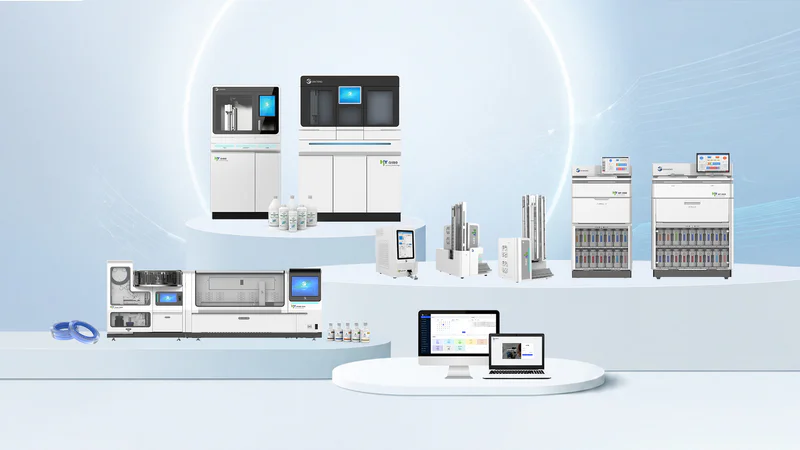
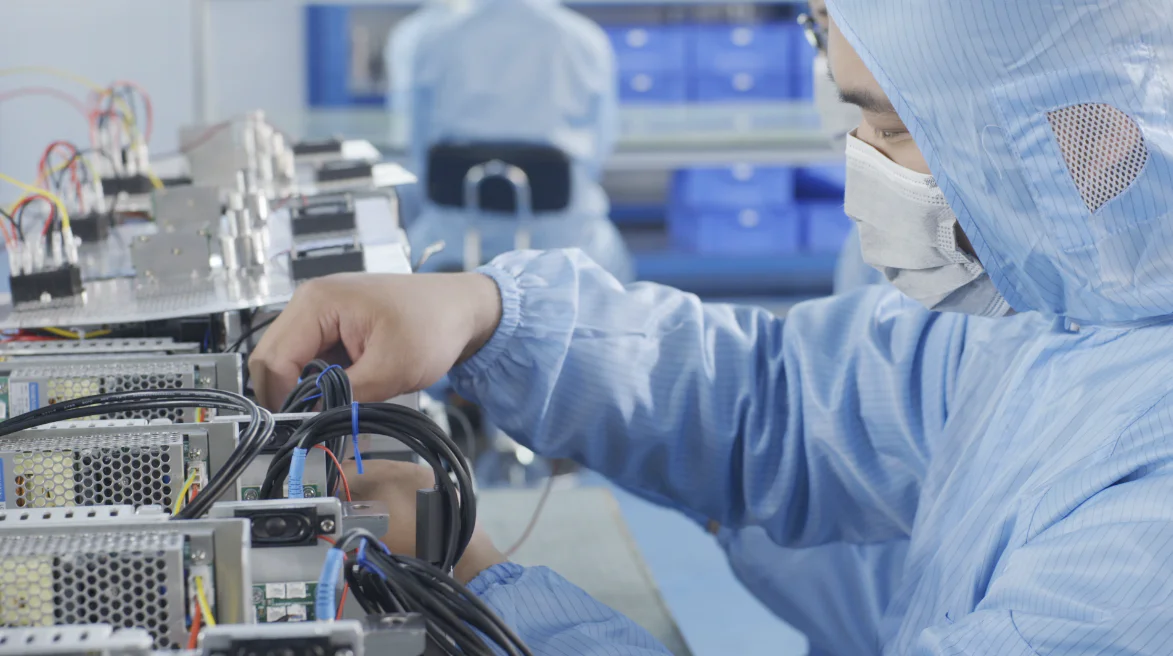
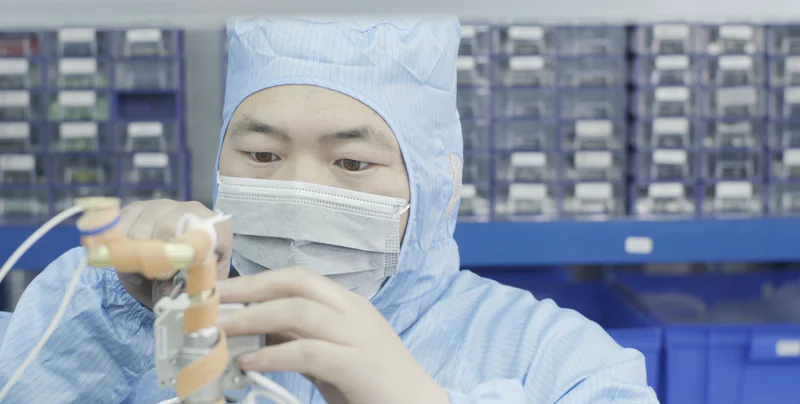
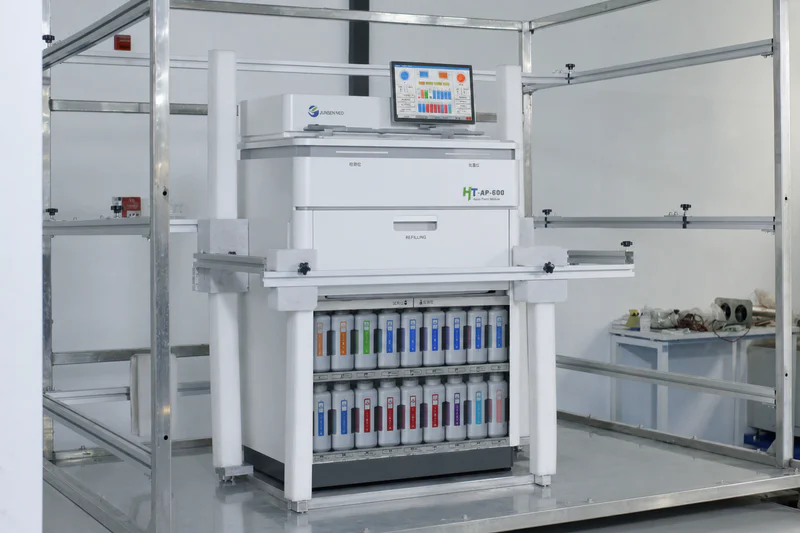
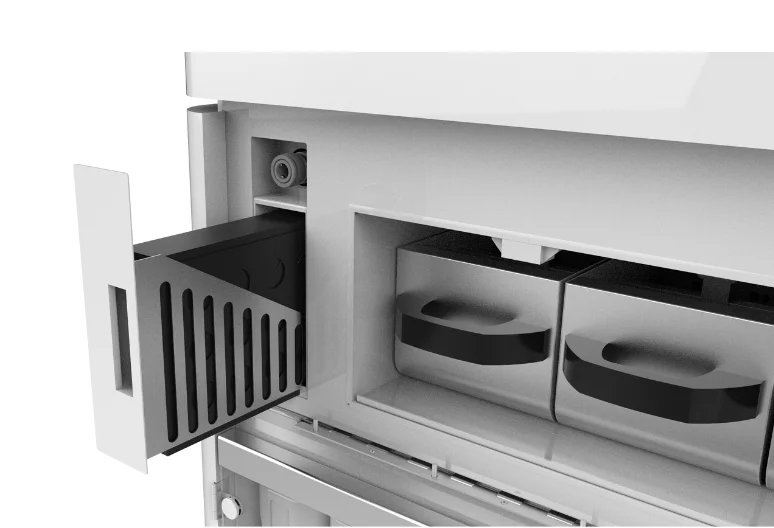
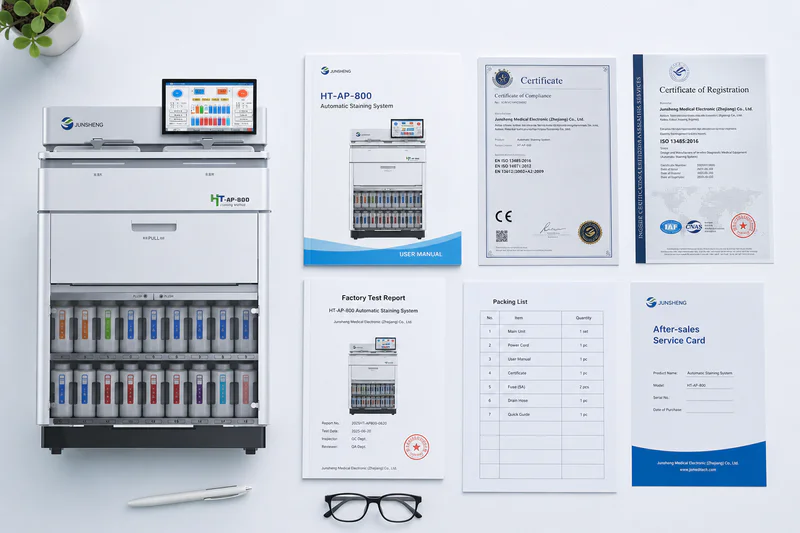
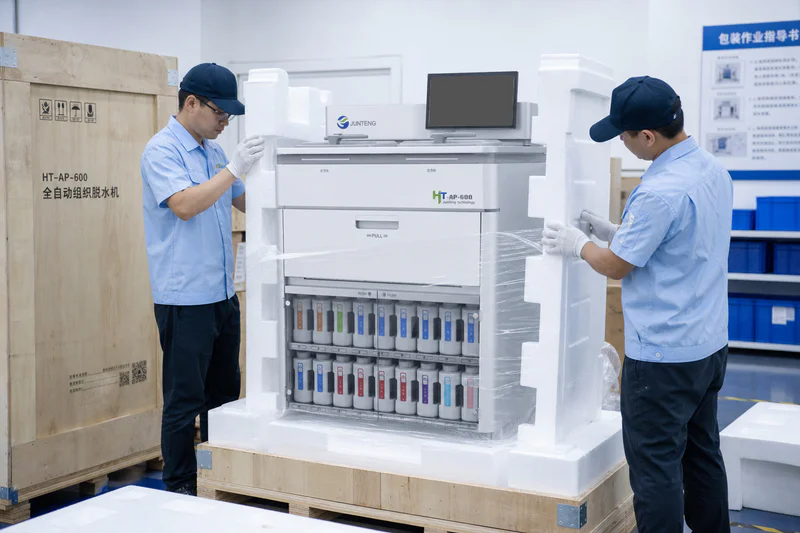
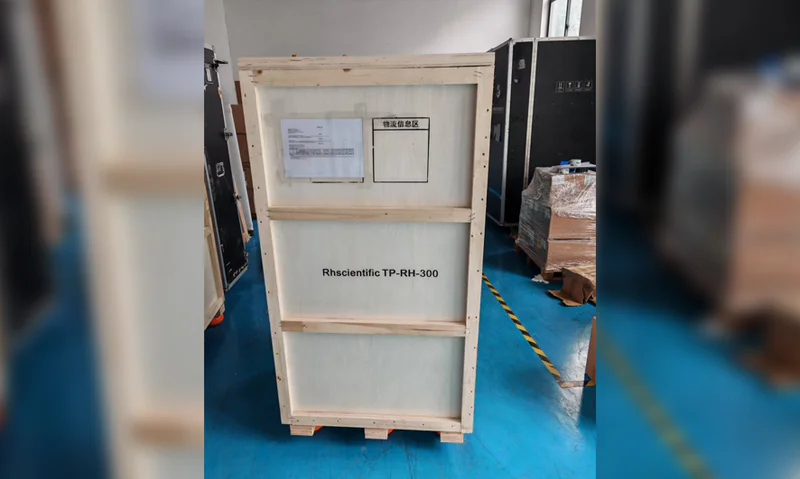
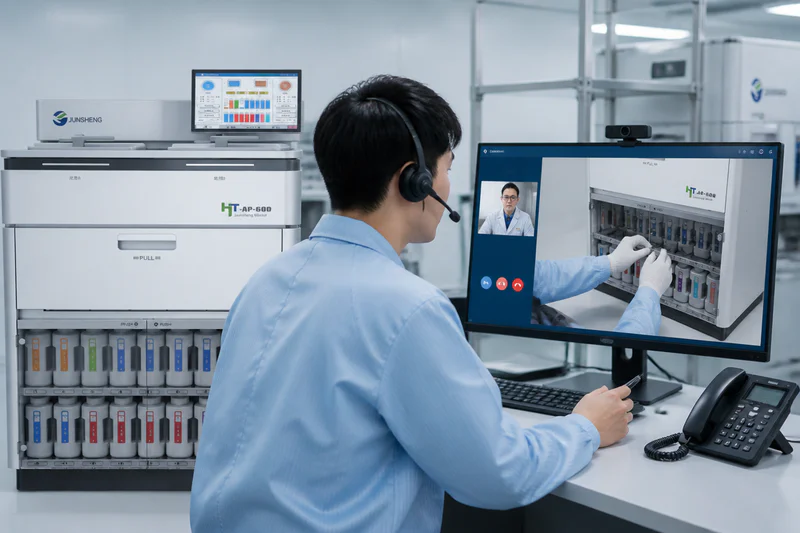
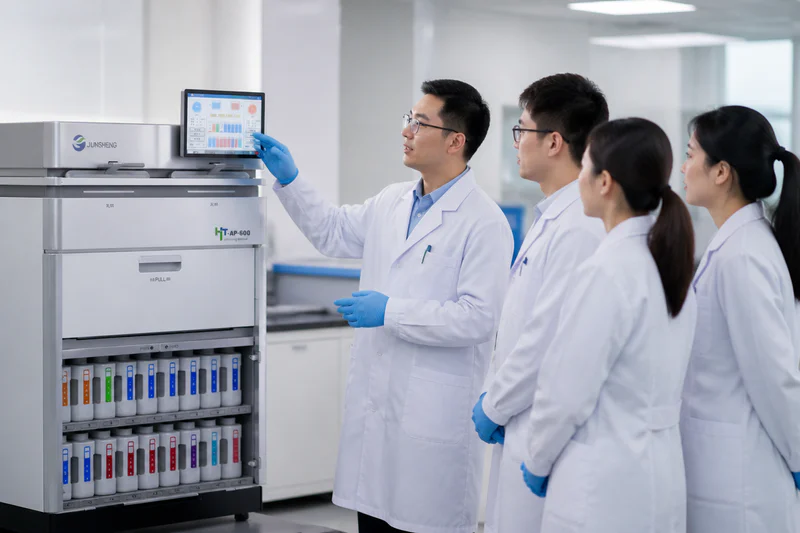
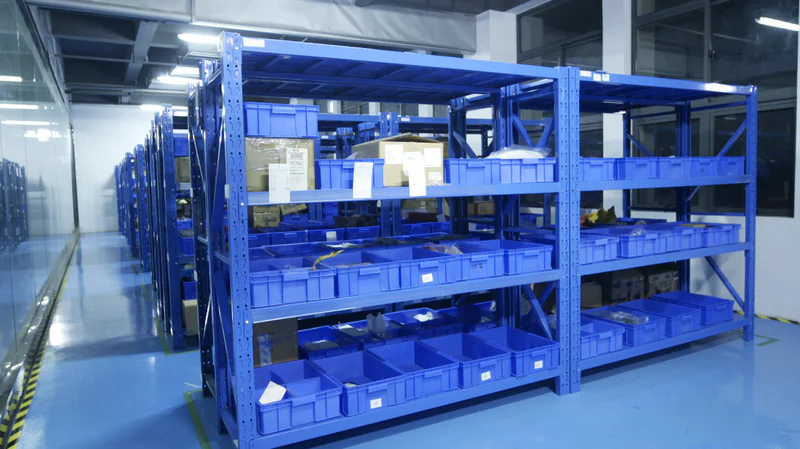
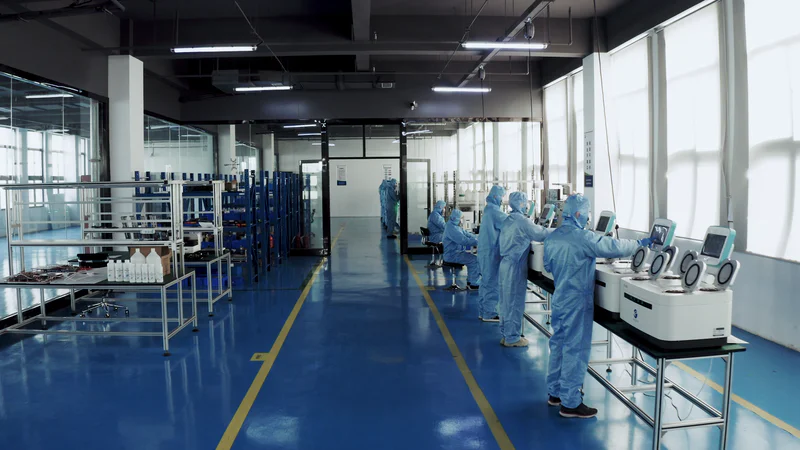
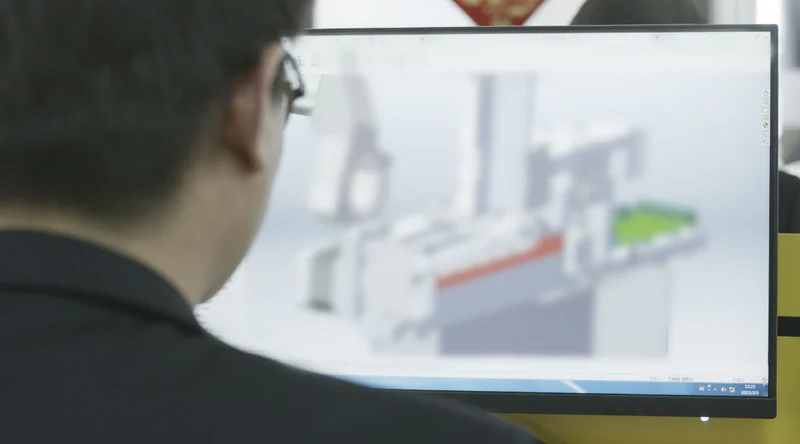
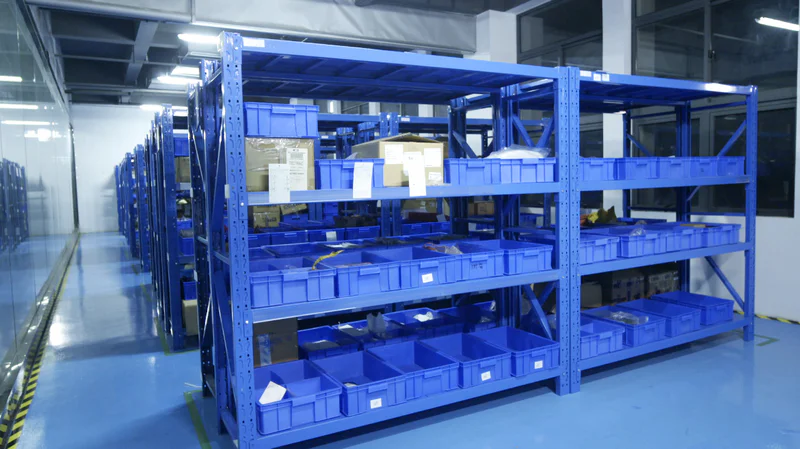
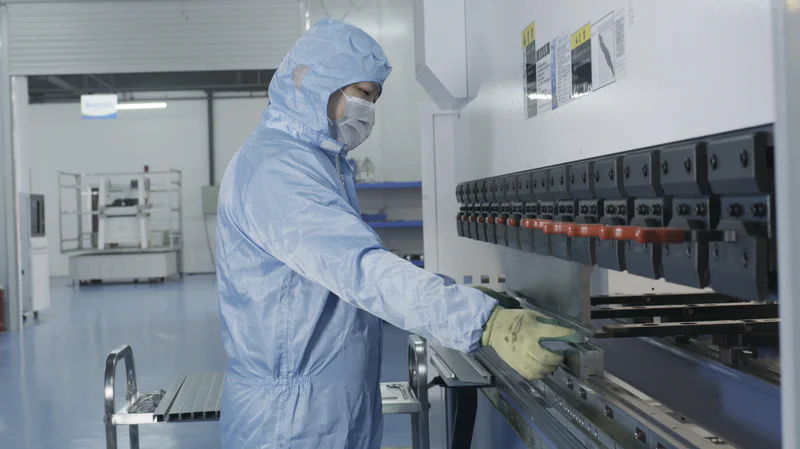
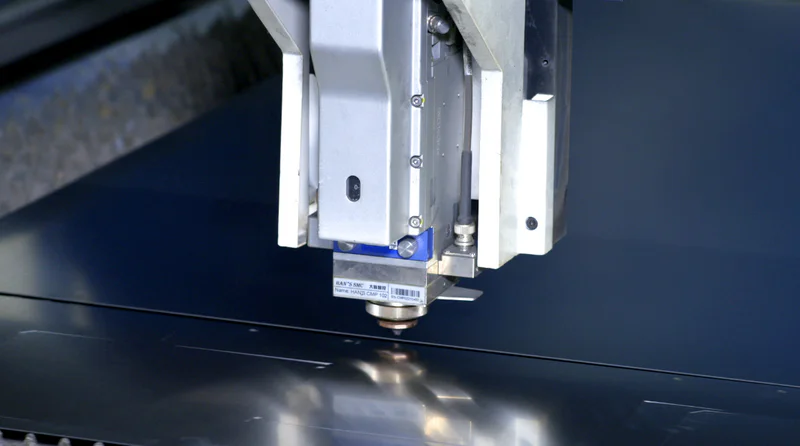
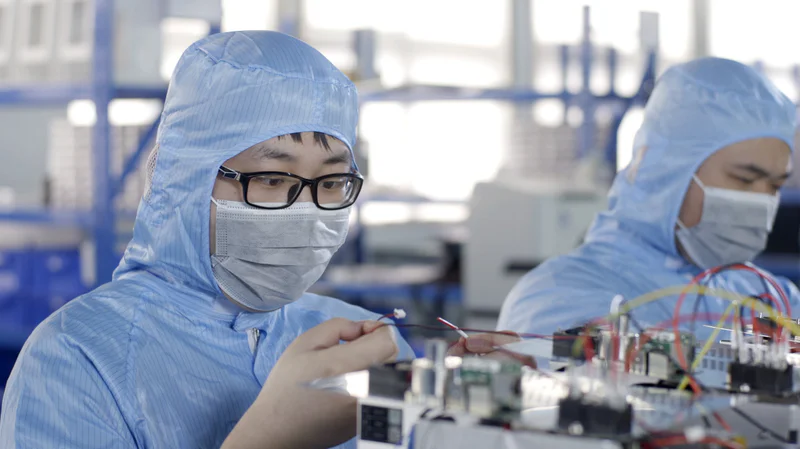
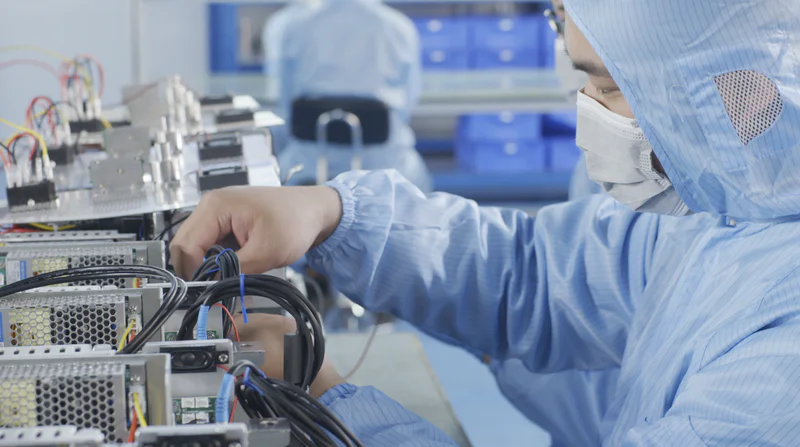
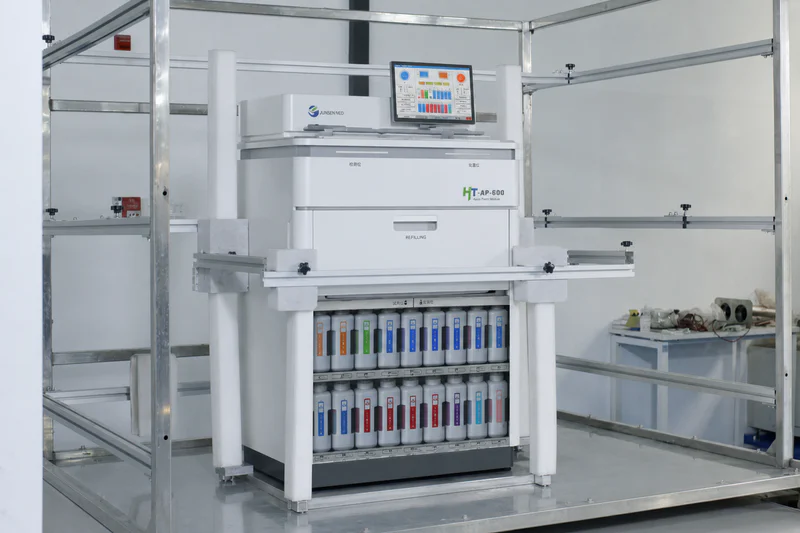
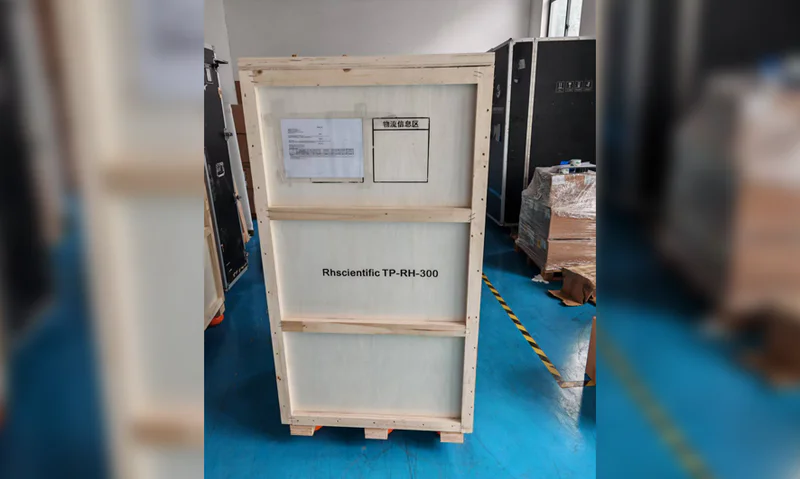
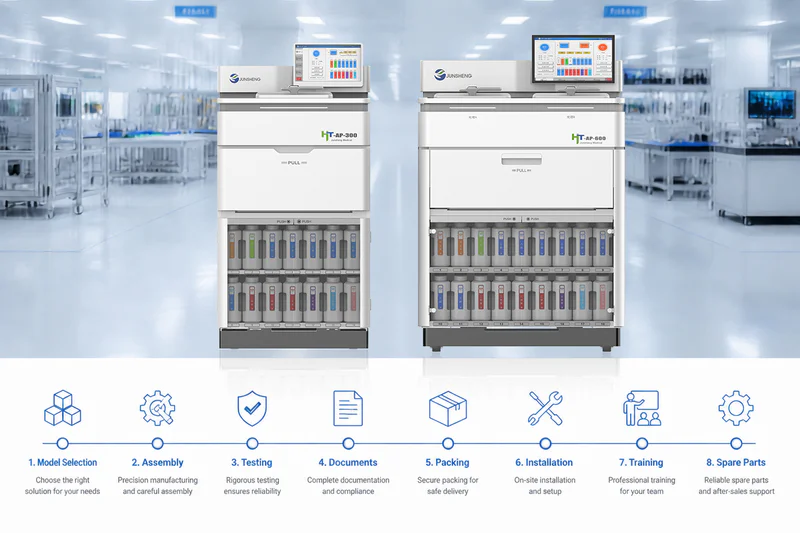
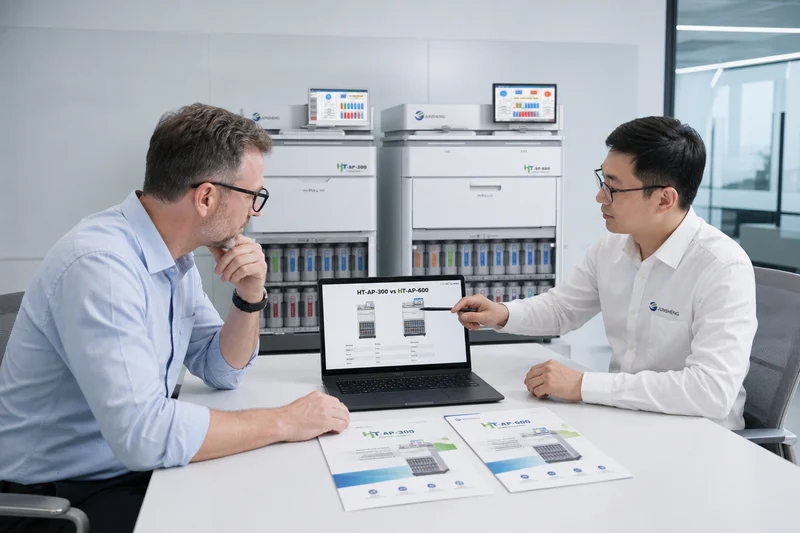
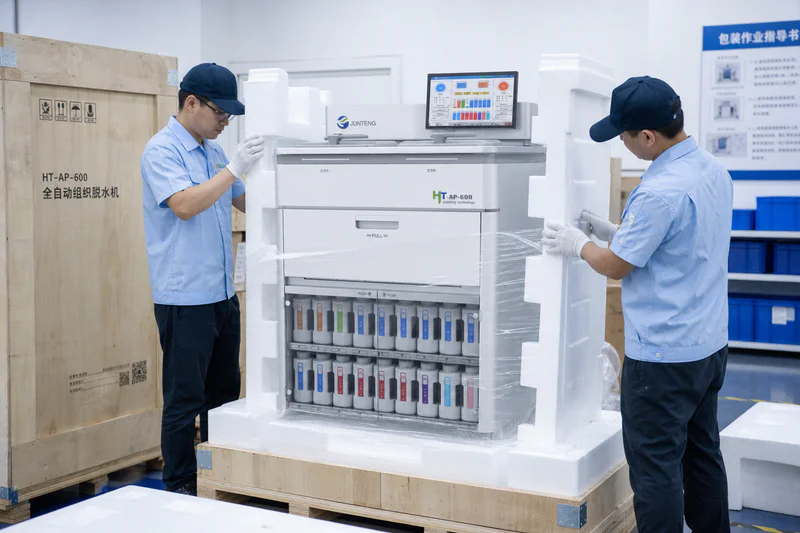
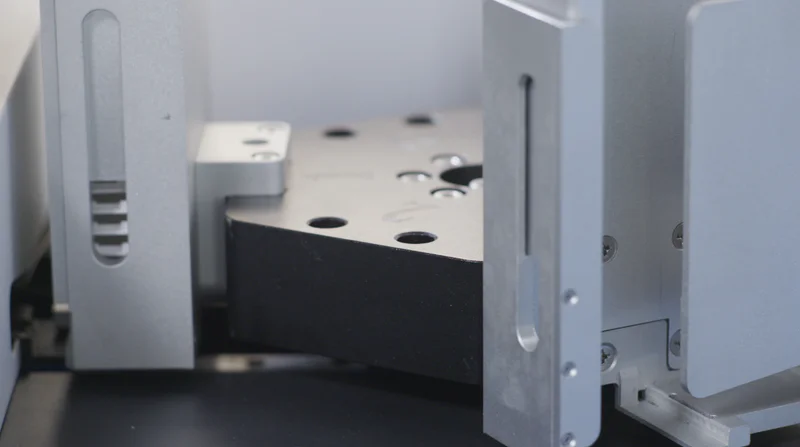
Our factory supports your tissue processor project from model selection to shipment: product assembly, performance testing, technical documents, packing preparation, installation guidance, operator training and spare parts planning. Review our production, testing and delivery process below before discussing the HT-AP-300 or HT-AP-600 for your lab.
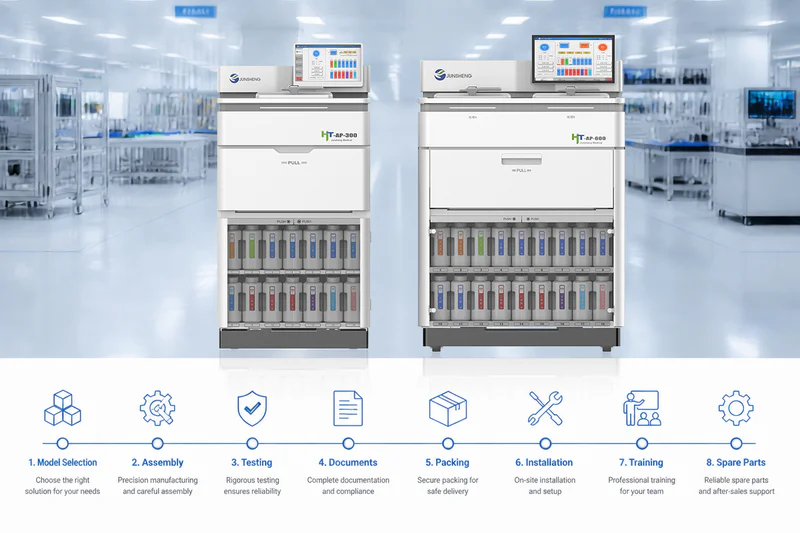
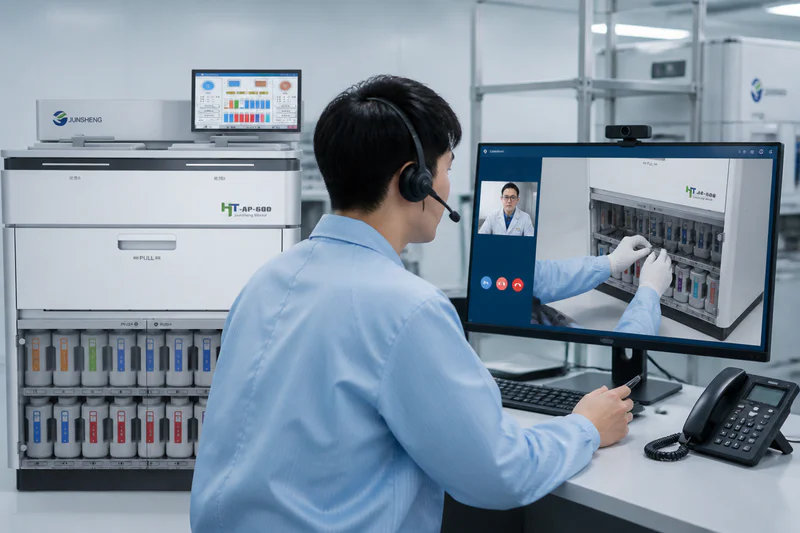
Overseas Service For Tissue Processor Projects
We support overseas distributors, hospital pathology labs and histology labs with model selection, technical documents, installation, training, spare parts and remote support. Service should cover not only basic operation, but routine maintenance for the retort, reagent bottles, paraffin baths, sensors, rotary valve, UPS connection and cleaning workflow.
From Selection To After-Sales
Tell us where you are and what your lab runs. We prepare a support plan that fits your team before the unit ships.
Share your country, lab type, daily cassette volume and service requirements. We help prepare a support plan for the HT-AP-300 or HT-AP-600 before shipment.
Service Scope
Production, Testing And Delivery
Document Package
Provided per destination country
01
Product Review Documents
Technical evaluation and project approval
Product Review Documents
Technical evaluation and project approval
02
Import And Shipment Documents
Customs clearance and delivery planning
Import And Shipment Documents
Customs clearance and delivery planning
03
Tender And Project Documents
Hospital projects and distributor proposals
Tender And Project Documents
Hospital projects and distributor proposals
Export Documents For Tissue Processor Projects
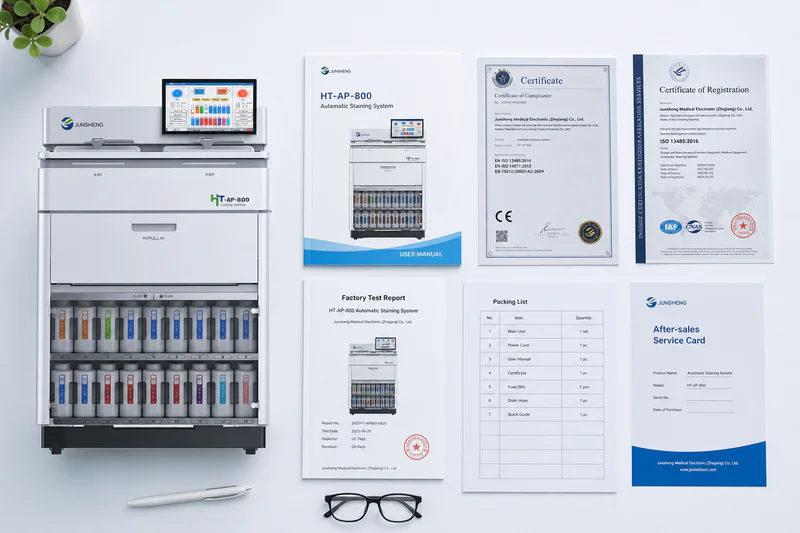
For overseas projects, clear documents help your team review the model, prepare import details, support tender files and plan installation before shipment.
Available documents can be provided according to your destination country and project requirements. Open a group on the left to see what is included, then tell us what your import or tender process needs.
Tissue Processor Questions Answered
Common questions on models, capacity, overnight runs, reagent management and export documents. Not covered here? Send your requirements and we reply within 24 hours.
01
Are you a China tissue processor factory?
Yes. We provide factory-direct automated tissue processors for histology and pathology labs, including the HT-AP-300 single-retort and HT-AP-600 dual-retort models. We also support model selection, technical documents, shipment preparation, training guidance, spare parts planning and remote service.
02
What is the difference between HT-AP-300 and HT-AP-600?
The HT-AP-300 is a single-retort processor with 300 cassettes per batch. The HT-AP-600 is a dual-retort processor with 600 cassettes per batch, designed for higher daily cassette volume or more flexible processing schedules.
03
Which model should I choose for my lab?
The HT-AP-300 suits you when one processing batch covers your routine daily workload. The HT-AP-600 is better when you need higher capacity, dual-retort processing or more flexibility for daily and overnight workflows. Share your daily cassette volume, tissue types and routine schedule for model advice.
04
Does the tissue processor support fatty tissue processing?
The system uses positive/negative pressure, ultrasonic mixing and jet agitation to help improve reagent movement and paraffin infiltration across different tissue types, including routine, fatty and mixed tissue. Programs should be selected according to tissue type and lab requirements.
05
Is the tissue processor suitable for overnight runs?
Yes. HT-AP processors are designed for routine and overnight tissue processing. Power-failure continuation, UPS support, liquid level detection, temperature monitoring, electronic lid locking and reagent/paraffin reminders help make overnight workflows more controlled.
06
What happens if power fails during processing?
The instrument supports power-failure continuation. After power recovery, it continues from the interruption point. UPS connection and UPS power information management are also supported when you need additional power protection.
07
How does the reagent and paraffin management work?
Reagent and paraffin usage can be managed by cassette count, usage days or processing cycles. The system reminds you when replacement is required, helping you manage routine processing quality and replacement timing more clearly.
08
Is it a closed tissue processing system?
Yes. The system uses a closed processing design with automatic fluid transfer, fume collection, waste liquid collection and smart retort lid locking to support safer daily operation and reduce manual reagent handling.
09
Can users customize tissue processing programs?
Yes. The system includes 15 common tissue processing programs, and you can add or modify programs according to your lab requirements, tissue type and routine processing schedule.
10
What documents can you provide for export or project review?
Available documents may include product datasheet, technical specifications, user manual, installation guide, operation guide, packing list, warranty statement, spare parts list, available certificates and tender specifications. Requirements may vary by country or project.
Start Your Tissue Processor Project With Derek
Whether you need a processor matched to your lab, a fit check against your daily cassette volume, or help choosing between HT-AP-300 and HT-AP-600, send what you have. Derek replies personally within 24 hours with real specs and a clear next step.

Hi, I'm Derek.
Your Tissue Processor Sales Contact
Every message here reaches me directly. Tell me about your lab and daily tissue workload and I come back with specs and a real quote, not a brochure.
Your daily cassette volume, tissue types, or processing schedule is enough to start. We supply the HT-AP-300 and HT-AP-600 automated tissue processors to hospitals, labs, and distributors across 60+ countries.
Derek
Sales, Shandong Junteng Medical Technology Co., Ltd.
Tell Us About Your Processing Project
Fields marked are required.